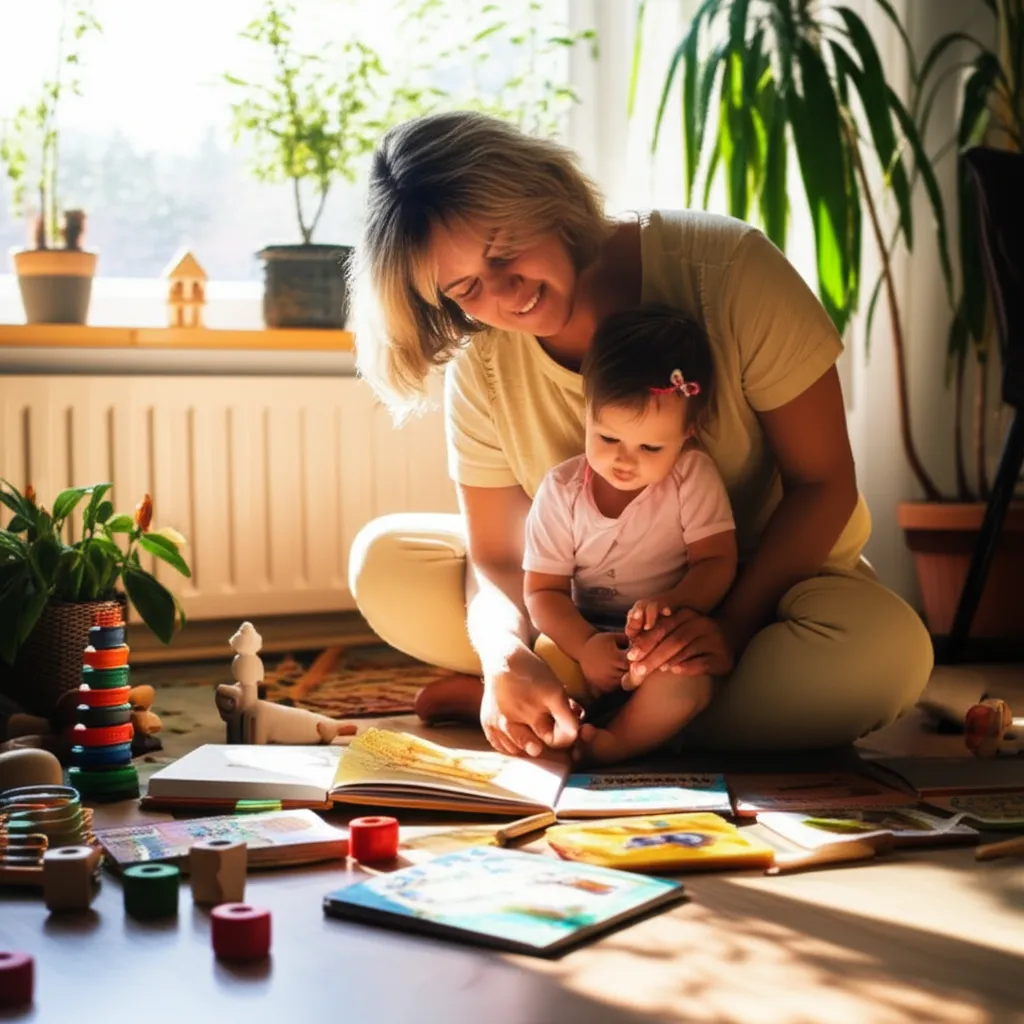
Home Skills
Home skills encompass the practical knowledge needed to maintain a functional, comfortable living environment: cleaning, laundry, basic home repair, organization, sewing, and household management. These skills have been systematically devalued and removed from school curricula over the past fifty years, leaving generations of adults who cannot hem a pair of pants, unclog a drain, or organize a closet. Restoring home skills to education produces competent, confident adults who can create and maintain the spaces where life happens.
Home skills are the invisible infrastructure of daily life. Every person, regardless of career or income, must maintain a living space, manage clothing, prepare food, and handle the thousand small tasks that keep a household functioning. Yet these skills have been so thoroughly removed from formal education — and so culturally devalued — that many college graduates cannot sew a button, hang a shelf, remove a stain, unclog a drain, or organize a closet. They outsource everything they can afford to outsource and suffer in cluttered, poorly maintained spaces when they cannot. This is not a minor educational gap — it is a quality of life issue that affects daily comfort, financial health (maintenance costs far less than replacement), and self-esteem. A person who can walk into a disorganized room and create order, who can fix a running toilet instead of calling a plumber, who can hem their own pants and patch a hole in drywall, carries a practical confidence that no academic credential provides. Montessori education recognizes this by making practical life activities the foundation of the entire curriculum for young children. The two-year-old who learns to pour water without spilling, the four-year-old who polishes a mirror until it gleams, the six-year-old who sews a button — each is developing concentration, coordination, independence, and order through genuine work that contributes to the household. This is not busywork; it is the development of competence that serves a person every single day of their adult life.
Across the Ages
Toddlers help with wiping surfaces, sorting laundry by color, and putting toys away. Preschoolers set tables, fold simple items, and water plants. Elementary students learn to do laundry, clean bathrooms, basic sewing (buttons, simple repairs), and simple tool use. Middle schoolers manage their own spaces independently, learn basic home repairs, meal planning, and household scheduling. High schoolers should be capable of running a household: budgeting, maintaining a home, meal planning for a week, and handling basic repairs and maintenance.
Key Skills Developed
Teaching This at Every Age
Approaches That Work
Common Challenges
Frequently Asked Questions
When should I start teaching home skills?
Begin at eighteen months with the simplest tasks: wiping surfaces, putting objects away, helping carry things to the table. Montessori practical life begins even earlier with activities like transferring objects between containers, which develop the coordination needed for later household work. By age three, children should have regular household responsibilities. By age six, these should include real tasks like setting the table, sorting laundry, and tidying their own spaces. Do not wait until children are 'old enough' — the developmental drive to imitate adult activities is strongest in toddlerhood, and children who begin contributing early see household work as a normal part of life rather than an imposition.
How do I teach home skills if I'm not good at it myself?
Many adults were never taught home skills and feel embarrassed about their own lack of competence. This is an opportunity to learn alongside your children. YouTube provides excellent tutorials for every home skill: cleaning techniques from channels like Clean My Space, basic home repair from This Old House, sewing from Made to Sew, organization from The Minimal Mom. FlyLady provides a structured system for developing household routines. Marie Kondo's method helps with decluttering and organization. Learning these skills as an adult while teaching them to your children models growth mindset and produces a more functional household for everyone. You do not need to be an expert — you need to be willing to learn and practice together.
What curriculum is best for home skills?
Home skills are learned through daily practice, not curriculum. However, for structured programs: The Good and the Beautiful Household Skills course covers cleaning, organization, and basic home management. Montessori practical life albums provide detailed presentations for teaching young children. For sewing: Sewing School (books by Amie Petronis Plumley) progresses from hand sewing through machine sewing. For cooking: Kids Cook Real Food provides structured skill progression. For home repair: The Family Handyman magazine and YouTube channel cover every common repair. The most effective home skills curriculum is a simple chore chart with age-appropriate responsibilities that increase in complexity over time, combined with working alongside your child to teach each new skill through demonstration and supervised practice.
How do I make home skills fun?
For young children, home skills are inherently satisfying — a toddler who successfully sweeps a pile into a dustpan beams with pride. Preserve this natural motivation by using real tools (not toy versions), acknowledging their contribution, and never redoing their work in front of them. For older children: play music while cleaning, turn tidying into a timed challenge, let children choose their own organizational systems for their spaces, and connect skills to independence ('once you can do your own laundry, you control your own wardrobe'). Make home repair an adventure: 'let's figure out how to fix this together.' Teach sewing by making something the child actually wants: a pillow, a bag, a simple costume. When home skills connect to autonomy, capability, and genuine contribution to the family, children develop pride in competence rather than resentment of chores.
Is home skills education really necessary for my child?
Every adult must maintain a living space, feed themselves, manage clothing, and handle basic household problems — regardless of career, income, or living situation. Adults who lack these skills spend more money (replacing what could be repaired, outsourcing what could be done themselves, eating out because they cannot cook), live less comfortably (in cluttered, poorly maintained spaces), and feel less confident and capable than those who can handle daily life independently. Home skills are the most practically consequential skills in education because they are used every single day. A young adult who can cook, clean, sew a button, unclog a drain, organize a space, and manage a household has something that no academic degree provides: the ability to take care of themselves and their environment with competence and dignity.
How do I know if my child is behind in home skills?
By age five, a child should be able to dress independently, put belongings away, help set and clear the table, and perform simple cleaning tasks (wiping surfaces, sweeping with assistance). By age ten, they should manage their own laundry, clean their room and a bathroom, make simple meals, and use basic tools. By age fifteen, they should be capable of running a household for a day if needed: cooking meals, cleaning, managing laundry, and handling routine tasks without supervision. If your child significantly lags behind these benchmarks, start wherever they are and systematically add responsibilities. Home skills develop quickly with consistent daily practice. The biggest predictor of home skill competence is not age but opportunity — children who are expected to contribute learn; children who are waited on do not.