Traditional Education for Two Year Old
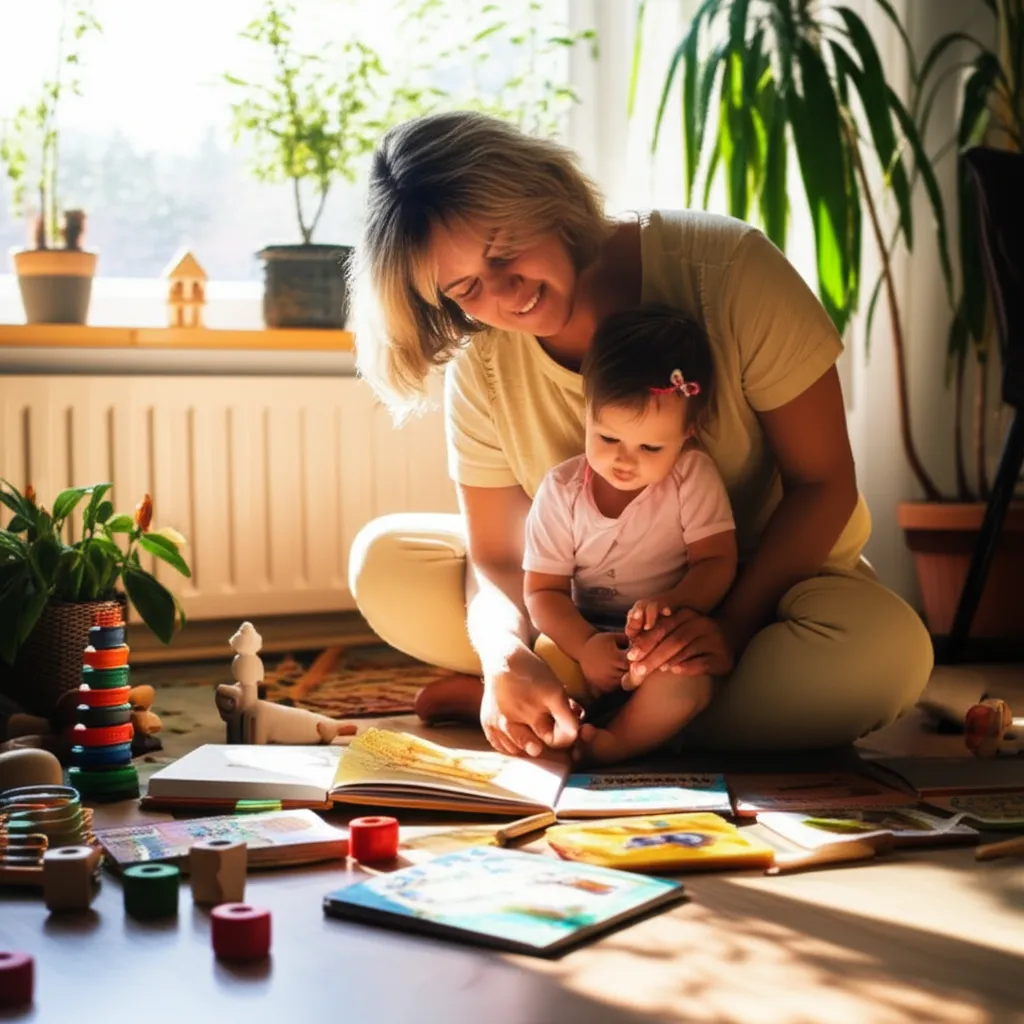
Two is the age when traditional homeschooling truly begins for many families. Programs like Abeka's 2-year-old curriculum, My Father's World's Toddler program, and various preschool workbooks become genuinely usable. Your two-year-old can follow simple directions, sit for short activities, recognize some colors and shapes, and is deeply interested in books, songs, and routines. The traditional approach at this age looks like a very gentle version of what's to come: a short daily circle time, a story, a simple hands-on activity, and lots of singing. It's teacher-directed but playful. You're not grading anything or tracking standards — you're building the habits of attention, obedience, and structured learning that the traditional method relies on. Two-year-olds are also famously willful. "No" is a favorite word. The traditional approach's emphasis on structure can be a strength here (clear expectations, consistent routine) or a source of daily battles, depending on how rigidly you implement it. Flexibility within the framework is your friend.
Key Traditional principles at this age
Establishing a daily 'school time' routine that's short, consistent, and positive
Teaching basic concepts — colors, shapes, counting to 5, body parts — through songs and activities
Building fine motor skills through coloring, playdough, cutting with safety scissors, and threading
Reading aloud 3-5 books per day to build vocabulary and listening comprehension
Modeling obedience and attention through clear, kind expectations
A typical Traditional day
Traditional activities for Two Year Old
Curriculum-based activities from programs like Abeka 2-year-old or similar
Color sorting with pom poms, buttons, or cereal into bowls
Playdough rolling, cutting, and shaping for fine motor strength
Simple cutting practice with safety scissors and thick paper
Counting objects during daily life — stairs, crackers, blocks, toes
Singing curriculum songs that teach colors, numbers, shapes, and manners
Parent guidance
Why Traditional works at this age
- Children are naturally eager to please and enjoy structured one-on-one time with a parent
- Short, consistent 'school time' builds habits that make later years much smoother
- Curriculum provides clear direction for parents who aren't sure what to teach
- Songs and repetition — hallmarks of traditional preschool programs — match how two-year-olds learn
Limitations to consider
- Two-year-olds learn best through play, and workbooks don't capture that well
- The 'no' phase can make teacher-directed activities a daily battle
- Fine motor skills may not match what workbook activities require (coloring in lines, tracing)
- Comparing your child to the curriculum's expectations can create worry when they're simply not ready
Frequently asked questions
Is 2 too young to start homeschooling?
It depends on what you mean by homeschooling. If you mean a gentle 15-minute daily routine with songs, stories, and activities, many two-year-olds enjoy that. If you mean sitting at a desk with worksheets, yes, that's too young. Traditional preschool programs for this age are designed to be playful and short.
How do I know if my two-year-old is 'on track'?
At two, there's an enormous range of normal. Some two-year-olds know all their colors and can count to 10. Others barely talk in two-word phrases. Both are typically developing. Don't use curriculum benchmarks as developmental milestones. If you have genuine concerns, talk to your pediatrician.
What if we skip preschool curriculum and start at kindergarten?
That's a perfectly valid choice. Many traditional homeschool families don't start formal curriculum until age 4 or 5. The preschool years can be entirely play-based without any academic disadvantage. Some research suggests that later formal starts produce better long-term outcomes.