Thomas Jefferson Education Education for Two Year Old
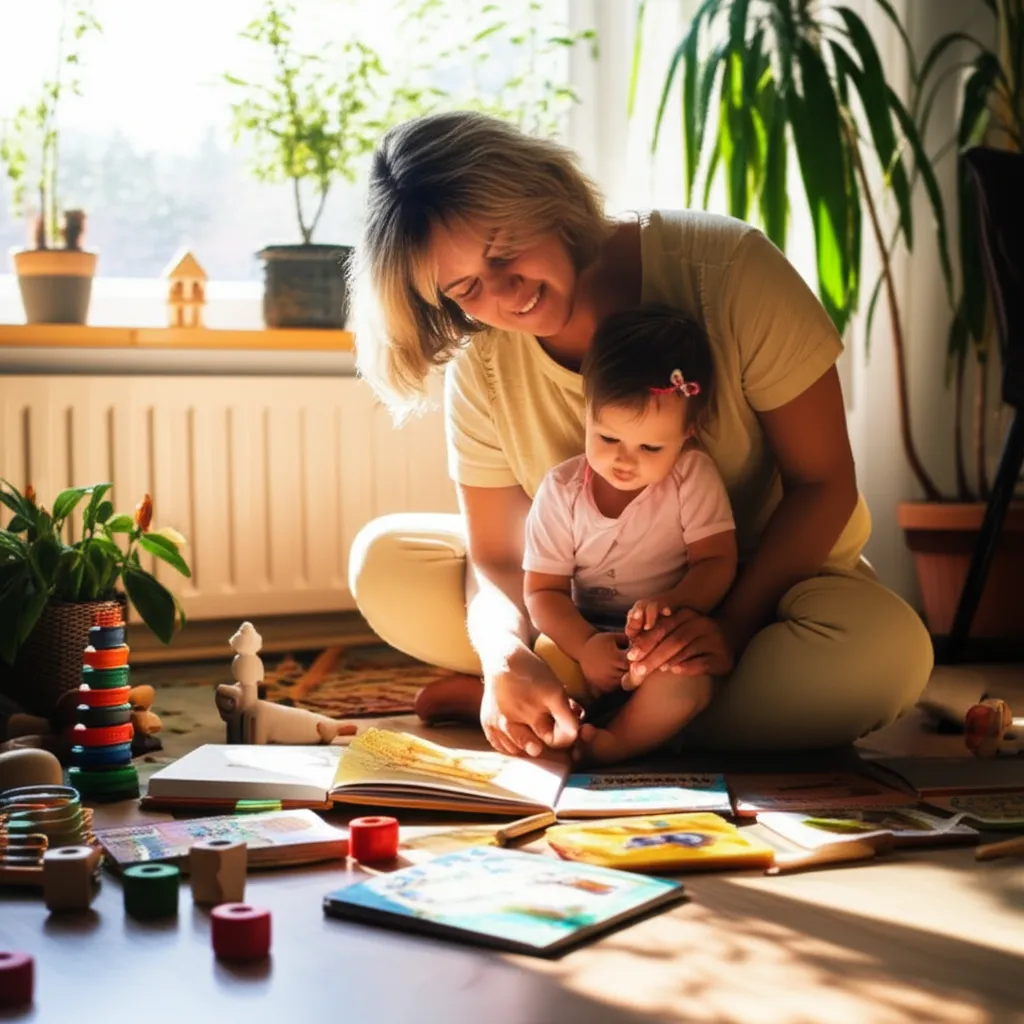
Two is when the world cracks open. Your child is talking in phrases or short sentences, running, climbing, pretending, questioning. They're a full participant in family life now — and in a TJEd household, that means they're part of the family learning culture whether you planned it or not. The DeMilles describe Core Phase (birth to eight) as the time to "build the person before you build the scholar." At two, that means working on moral character, emotional resilience, family responsibility, and — most importantly — a secure attachment that gives the child confidence to explore. Academic readiness isn't even on the radar, and TJEd is unapologetic about that. What does TJEd look like with a two-year-old? It looks like a home full of books, music, conversation, and real work. It looks like a parent who reads their own books during quiet time. It looks like family devotionals or discussion time where even the youngest member is present. And it looks like a child who's free to play, explore, imagine, and make messes without someone hovering with flashcards.
Key Thomas Jefferson Education principles at this age
Core Phase character formation: honesty, kindness, responsibility, and courage are the curriculum
"Inspire, not require" in action: offer rich materials and experiences without mandating participation
Family work as education — two-year-olds are eager helpers and this window is precious
Storytelling as the primary academic-adjacent activity: read-alouds, oral stories, songs with narratives
A typical Thomas Jefferson Education day
Thomas Jefferson Education activities for Two Year Old
Daily read-alouds of folk tales, fairy tales, nursery rhymes, and simple poetry
Real household chores: wiping surfaces, putting away toys and shoes, stirring ingredients, watering plants
Extended imaginative play with simple props: scarves, blocks, dolls, toy animals, cardboard boxes
Nature collection and observation: gathering leaves, stones, feathers; watching clouds, bugs, birds
Simple cooking together: washing vegetables, stirring batter, kneading dough, pouring measured ingredients
Family singing time with folk songs, hymns, or ballads — building a shared musical heritage
Parent guidance
Why Thomas Jefferson Education works at this age
- The emphasis on character over academics aligns with what developmental psychologists recommend for two-year-olds
- Freedom to play and explore supports creativity, problem-solving, and self-regulation
- Including the child in real work builds competence and self-esteem
- No worksheets, no flashcards, no screens — just a rich, human-centered childhood
Limitations to consider
- Parents who want structured learning activities will feel TJEd is too hands-off
- TJEd offers no guidance on common two-year-old challenges: tantrums, potty training, sleep issues
- The philosophy's vagueness at this age can leave parents unsure whether they're doing it right
- Comparison with peers in more structured programs can create anxiety, even if TJEd parents know better
Frequently asked questions
My two-year-old is interested in letters and numbers. Should I teach them?
TJEd wouldn't stop you, but it would say: don't push it, and don't make it a formal lesson. If your child points to letters and asks what they are, tell them. If they want to count rocks, count with them. The key is following the child's genuine curiosity rather than manufacturing interest. And don't worry if your child shows zero interest in letters — that's completely normal and fine at two.
What classics are appropriate for a two-year-old?
Classic folk tales (simplified), nursery rhymes, and poetry. Think "The Three Bears," Mother Goose, Robert Louis Stevenson's "A Child's Garden of Verses." The DeMilles would also encourage you to read your own classics aloud — your child won't understand Shakespeare, but they'll absorb the rhythm of language and see you engaged with great writing.
How is TJEd Core Phase different from just letting my kid play all day?
The difference is intentionality. A TJEd Core Phase home deliberately includes character training, meaningful work, rich language, music, and stories. The child plays freely, but the environment they're playing in has been thoughtfully curated. And the parent is actively pursuing their own education, which changes the whole atmosphere. It's not neglect dressed up as philosophy — it's trust in the process combined with a carefully built family culture.