Moore Method Education for Two Year Old
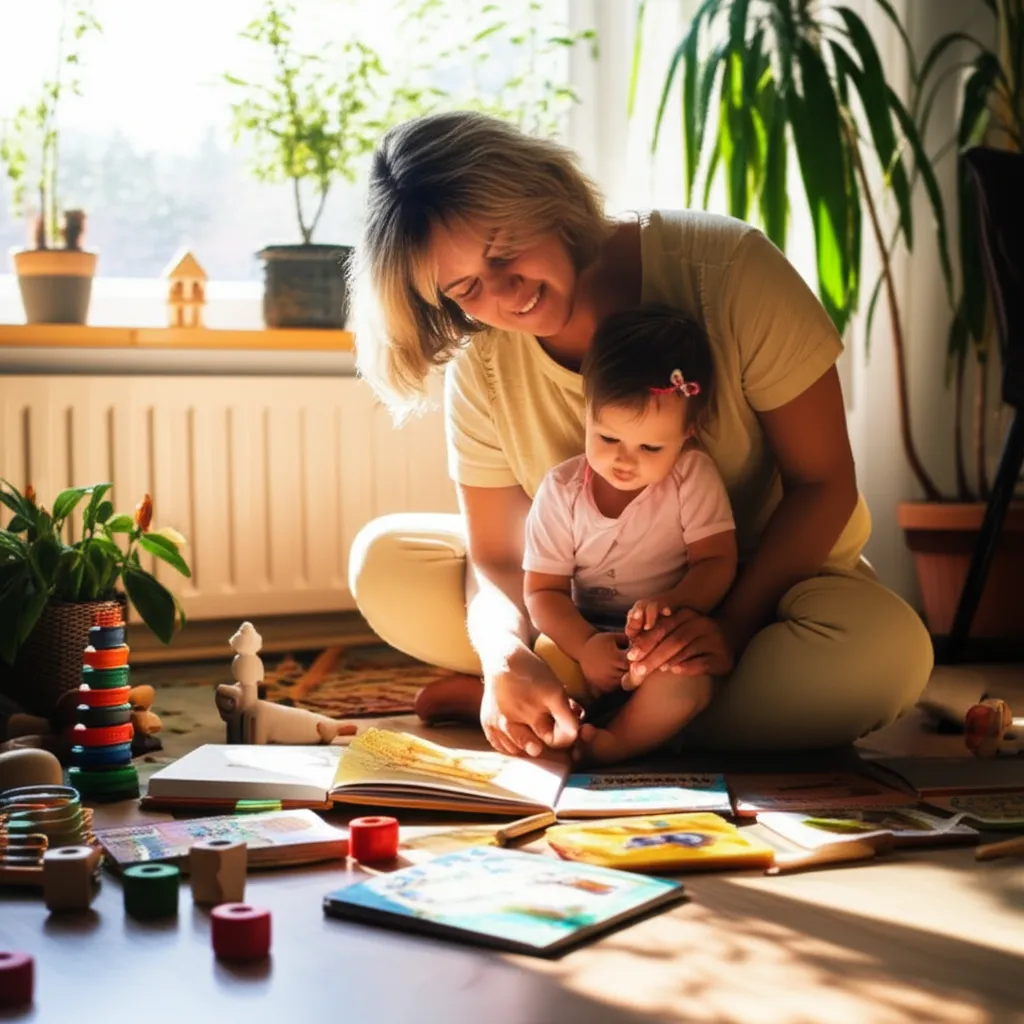
Two-year-olds are a force of nature — running, climbing, talking in short sentences, and asserting their will with impressive determination. The Moore Formula meets this energy not with structured activities or behavioral management programs, but with space, patience, and inclusion in real life. At two, the three pillars are still deeply informal. "Study" is stories, songs, conversation, and exploring the world. "Work" is the child's growing ability to genuinely contribute — they can carry their plate to the counter, help feed a pet, water plants, and sort objects. "Service" is emerging social awareness — concern when someone is hurt, desire to share (sometimes), and pride in being helpful. The Moores were particularly concerned about two-year-olds in formal group settings. They believed that children this age are not developmentally ready for peer-oriented socialization and that premature group care could increase anxiety and aggression. This is one of the more controversial aspects of the Moore approach, but it's rooted in their reading of the developmental literature. Their recommendation: keep the two-year-old home, immersed in family life.
Key Moore Method principles at this age
Two-year-olds learn primarily through physical activity and sensory exploration
Real household work builds competence more effectively than "play" versions
Stories and conversation are the only "academics" appropriate at this age
Group settings and peer socialization are not yet developmentally appropriate
Strong-willed behavior is a sign of healthy development, not a problem to fix
A typical Moore Method day
Moore Method activities for Two Year Old
Real household work — washing vegetables, dusting low shelves, feeding pets
Large motor outdoor play — running, climbing, jumping, throwing balls
Sensory play with sand, water, mud, dough, and natural materials
Storytime — three to five picture books read aloud per day
Music and movement — dancing, rhythm instruments, singing
Simple sorting and categorizing using household objects
Parent guidance
Why Moore Method works at this age
- Protects two-year-olds from academic pressure and premature formal learning
- Values the child's real contributions to family life
- Provides a clear counter-narrative to "terrible twos" and behavior-management culture
- Prioritizes outdoor time and physical development over sedentary activities
Limitations to consider
- The stance on avoiding group settings can feel extreme and isolating for parents
- Two-year-olds' desire to "help" often makes tasks take three times as long
- Parents without community support for this approach can feel very alone
- The lack of any visible "educational" structure makes it hard to explain to others
Frequently asked questions
Should my two-year-old be in preschool?
The Moores were clearly opposed to formal group settings for two-year-olds. They believed children this young need the security of their primary attachment figure and that peer-oriented socialization is premature. This is a strong stance, and not every family can or wants to keep a two-year-old home full time. But if you have the option, the Moore approach says the home environment is best.
My two-year-old has no interest in books. Is that a problem?
Not at all. Some two-year-olds sit for story after story; others won't hold still for a single page. The Moores would say to keep books accessible, read aloud when the child is receptive (often at bedtime or during meals), and don't force it. Interest in books often develops in waves. The fact that you're reading in their presence — even if they wander away — still contributes to a literate environment.
What about potty training? Does the Moore approach have guidance?
The Moores' general principle of following the child's readiness rather than imposing adult timelines applies here too. They would be in the camp of watching for signs of readiness rather than pushing potty training at a culturally expected age. This aligns with most current pediatric guidance as well.
How much outdoor time should a two-year-old get?
As much as possible. The Moores were strong advocates of outdoor play and nature exploration for all ages, and two-year-olds especially benefit from the physical challenge, sensory richness, and space that the outdoors provides. If you can be outside for two or more hours per day, that's ideal — though any outdoor time is better than none.