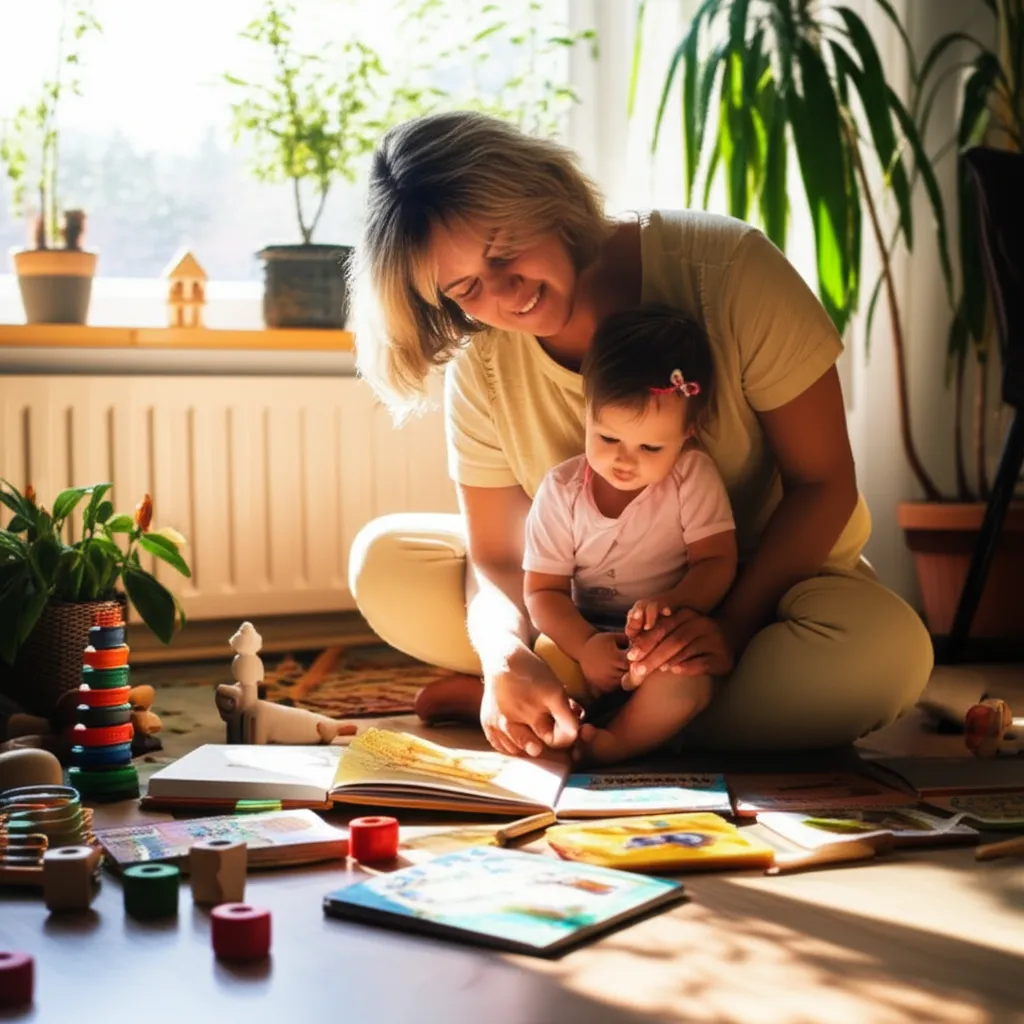
Enki Education Education for Two Year Old
The two-year-old is a creature of paradox — fiercely independent yet deeply needing routine, linguistically exploding yet often unable to express what they feel, physically capable yet emotionally volatile. Enki's approach to this age continues to center on rhythm, movement, and the simplicity of home life, but you're getting closer to the age where Enki's published materials become relevant. The Early Childhood Guides, which some families begin around age 3, give a glimpse of what's coming: movement circles with songs and gestures from diverse cultures, simple nature stories, seasonal crafts, and a daily rhythm that alternates between active and quiet periods. At two, you can begin introducing some of these elements informally — a short movement circle of three or four songs each morning, a simple told story at bedtime, a nature walk with the same route each day. What distinguishes Enki from other Waldorf-influenced approaches becomes more visible at this age. The music you're singing comes from many traditions — West African, Japanese, Celtic, South American — rather than primarily European folk songs. The movement isn't just free play; it has an intentional quality drawn from Eastern somatic practices. And the multicultural storytelling means your child hears folk tales from around the world, not just Brothers Grimm and the Norse myths that dominate traditional Waldorf.
Key Enki Education principles at this age
Rhythm is the anchor — consistent daily patterns reduce emotional volatility and support self-regulation
Begin informal movement circles with three to four songs from diverse musical traditions
Told stories from memory (not read from books) deepen imagination and the parent-child bond
Real household participation continues to be the richest learning environment
A typical Enki Education day
Enki Education activities for Two Year Old
Morning movement circle — 4-5 minutes of singing with whole-body gestures from diverse traditions
Beeswax crayon drawing — large paper, a few colors, complete creative freedom
Wet-on-wet watercolor painting — simple, process-focused, one or two colors
Nature walks on the same route, noticing seasonal changes and collecting natural objects
Simple cooking together — stirring, pouring measured ingredients, kneading dough
Finger knitting or finger crocheting introduction (very basic, parent-led)
Parent guidance
Why Enki Education works at this age
- Enki's multicultural music gives the movement circle a richness that European-only folk songs lack
- The transition from philosophy to informal practice gives parents something concrete to do
- Daily rhythm at this age genuinely reduces the tantrums and resistance that make two so challenging
- The emphasis on outdoor time and physical activity channels the two-year-old's enormous energy productively
Limitations to consider
- The Early Childhood Guides may feel premature for a newly-turned-two child
- Enki's anti-screen stance becomes harder as peers and family members introduce tablets and TV
- The curriculum cost (when you do purchase it) is significant compared to free online resources
- Finding other Enki families with children this age is very difficult — the community is small and niche
Frequently asked questions
Should I buy the Enki Early Childhood Guides for my two-year-old?
You can, and they're worth reading for your own preparation, but most families find the activities are designed for slightly older children — around 3 to 5. At two, you'll use the song collections and the guidance on daily rhythm, but many of the crafts and stories will need to wait a year or so.
My two-year-old wants to do everything the older sibling does in their Enki program. What do I do?
Let them participate as much as they can. If the older child is doing a movement circle, the two-year-old can join. If there's a craft happening, give the younger child their own materials to explore freely. Enki's philosophy of imitation — children learning by watching and mimicking — means having an older sibling in the program is actually the best possible introduction for your two-year-old.
How do I handle the fact that my two-year-old destroys everything?
This is normal and not something Enki would try to correct through discipline. Provide materials that can be "destroyed" — clay that can be squished, paint that can be smeared, sand that can be dumped. Protect materials that matter by keeping them out of reach. The two-year-old's exploration is wholehearted and physical; giving them appropriate outlets respects their developmental stage.