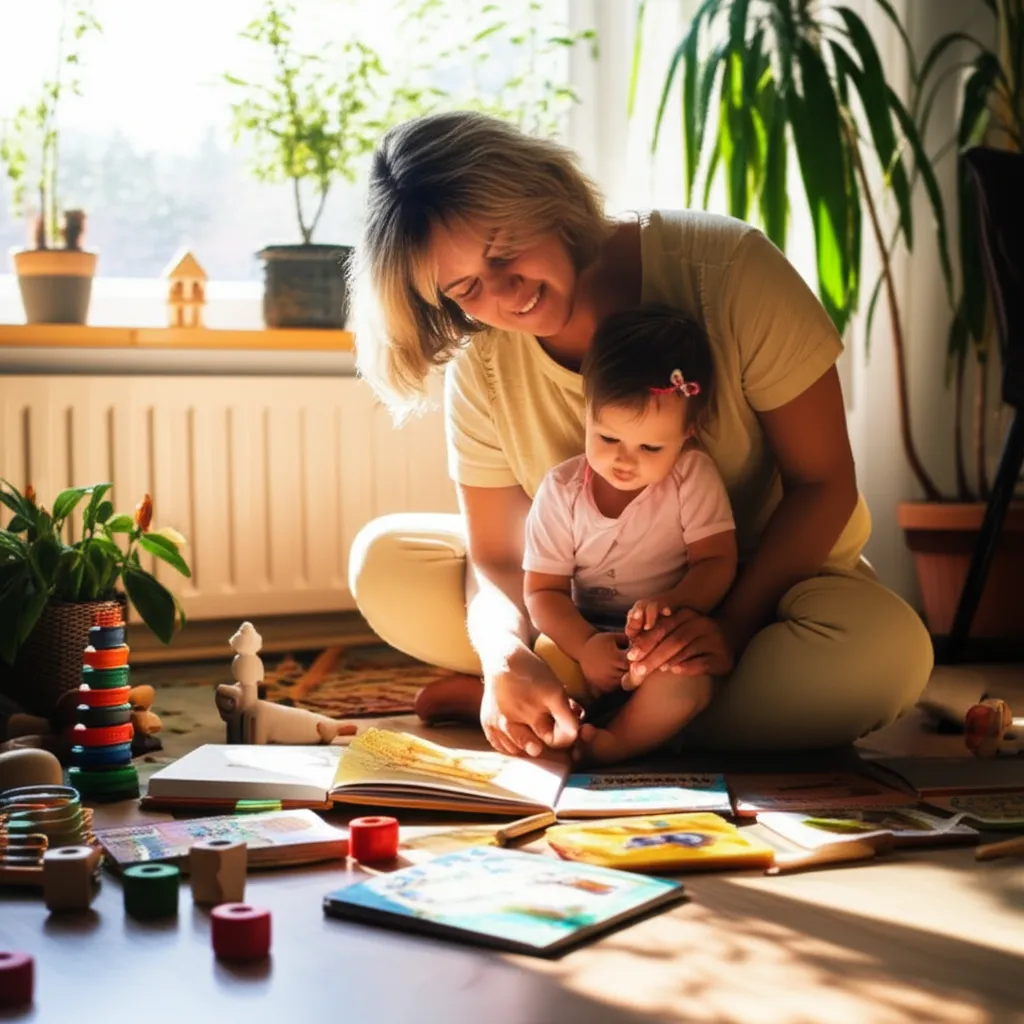
Ambleside Online Education for Two Year Old
Two-year-olds are famously busy, opinionated, and full of wonder — and Charlotte Mason loved all of it. She saw the young child's intensity as evidence of a mind eager to engage with the world. For AO families, age two is still firmly in the pre-academic zone, but the lifestyle elements of a Mason education are now very much in play. Ambleside Online's Year 0 begins to feel more relevant at this age. While the specific book suggestions and activities are aimed at slightly older children (4-6), many of the principles translate directly: daily outdoor time with observation, read-alouds of quality literature, music and art as regular parts of life, and patient habit training. Two-year-olds can engage with picture books for longer stretches, join in singing, and make genuine observations about the natural world. The AO community often calls this the 'golden age of preparation.' Your two-year-old is developing the attention span, language skills, and daily habits that will make Year 1 feel natural rather than forced when the time comes. Everything you're doing — reading together, exploring outdoors, singing, keeping a steady rhythm — is building the infrastructure AO's formal curriculum needs.
Key Ambleside Online principles at this age
Outdoor time expands — aim for extended periods outside every day, weather permitting
Read-alouds grow longer and more varied, introducing simple stories with plot and character
Habit training centers on attention, obedience, and kindness — one at a time, gently
The child's constant questions deserve real answers, not dismissive or oversimplified ones
Art and music are experienced, not taught — exposure over instruction
A typical Ambleside Online day
Ambleside Online activities for Two Year Old
Extended nature time with gentle observation — watching seasons change, learning plant and animal names
Quality picture book read-alouds, including longer stories as attention span grows
Singing folk songs, nursery rhymes, and hymns throughout the day
Practical life work — pouring, scooping, helping set the table, watering plants
Free art exploration with various media — paint, crayons, chalk, clay
Listening to classical music from AO's composer study term lists
Parent guidance
Why Ambleside Online works at this age
- Mason's philosophy perfectly matches the developmental needs of two-year-olds — exploration, language, outdoor time
- AO's Year 0 suggestions start to feel practical and applicable
- The community provides a supportive network of parents navigating this same stage
- No academic pressure allows the parent-child relationship to flourish without conflict
Limitations to consider
- Year 0's specific suggestions are still aimed at older preschoolers (4-6)
- Two-year-olds' rapidly changing interests can make any 'plan' feel futile
- No structured activities for parents who want more guidance than 'go outside and read'
- The gap between AO's resources and other toddler programs can cause second-guessing
Frequently asked questions
Should I be teaching my two-year-old to read?
AO and Charlotte Mason both say no. Mason believed children should not learn to read before age 6, and AO's formal reading instruction doesn't begin until Year 1. A two-year-old can learn letters naturally through play and daily life, but structured reading lessons aren't appropriate. Instead, read TO your child as much as possible. A child who loves being read to will want to read independently when the time is right.
How is AO different from doing preschool at home?
Traditional preschool-at-home programs typically include structured activities: circle time, letter of the week, themed units with crafts. AO's approach is the opposite — it trusts that young children learn best through living, not through lessons. Instead of a craft about autumn leaves, AO would have you go outside and study real autumn leaves. Instead of a letter worksheet, AO would have you read excellent books. The learning is real rather than simulated.
My two-year-old has a short attention span. Will AO's book-heavy approach work?
Short attention spans at age two are completely normal. AO doesn't expect long attention spans until much later. What you're building now is the habit of paying attention — and you do that with brief, high-quality experiences. A two-minute picture book. A 30-second observation of a ladybug. A single verse of a folk song. Over time, these moments lengthen naturally. By Year 1 (age 6), most AO children can sustain attention for 10-15 minute lessons because it was built gradually.