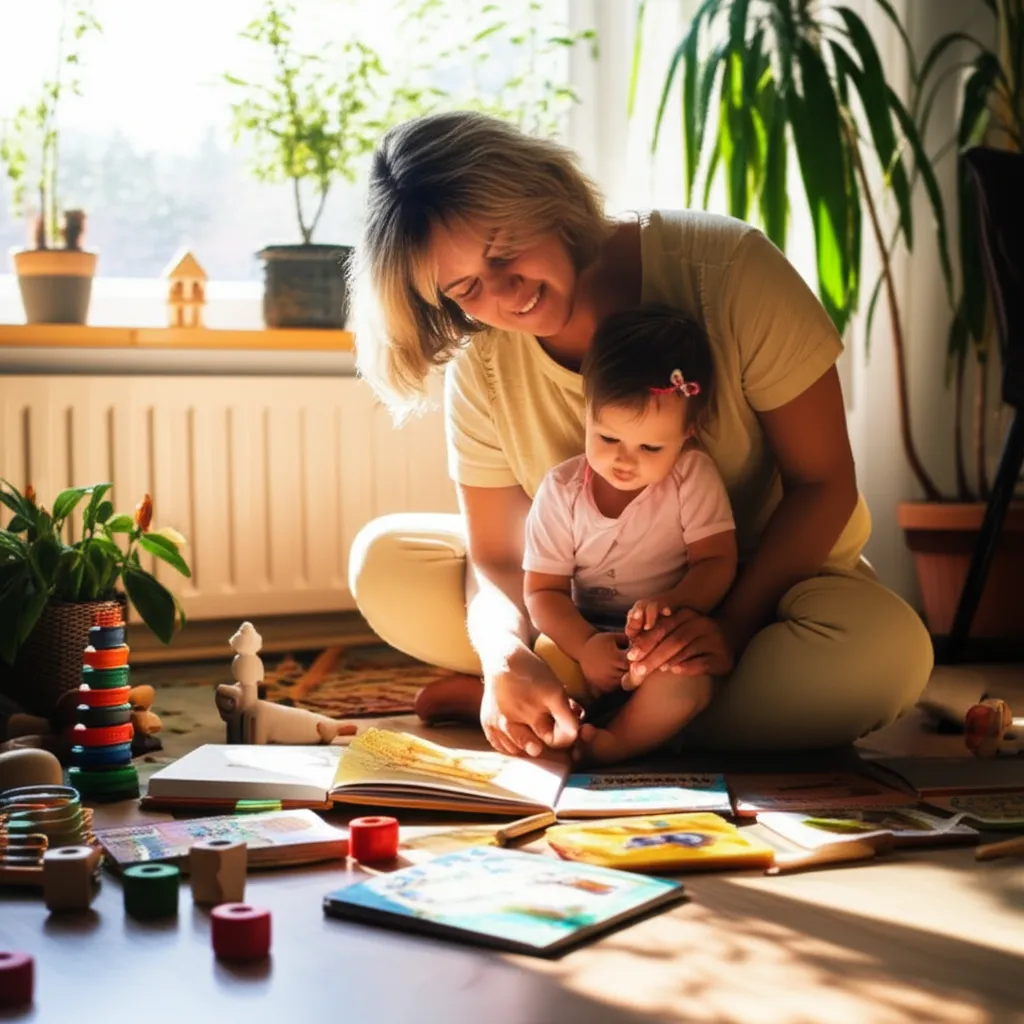
Virtual Academy Education for Three Year Old
Three is a turning point. Children at this age are asking "why?" constantly, engaging in cooperative play with peers, speaking in full sentences, and beginning to understand concepts like counting, colors, and categories. Their pretend play is elaborate and creative. They can follow multi-step instructions and are developing real self-care skills. This is the first age where some virtual academy pre-K programs accept enrollment. Programs like K12/Stride offer pre-K in certain states, and private options like Primavera Online or individual Outschool classes are available. These early virtual programs look very different from what older students experience — sessions are short, heavily parent-supported, and focused on play-based kindergarten readiness. Before enrolling, ask yourself: does my child need this, or do I want the structure for myself? Both are valid reasons, but they lead to different choices.
Key Virtual Academy principles at this age
Three-year-olds are naturally curious — channel that curiosity, don't override it with rigid curricula
Cooperative play is emerging and needs real-time social interaction to develop fully
Pre-K virtual programs should be play-based and short, not desk-based and long
The parent learning coach role in pre-K virtual school is very hands-on
Kindergarten readiness happens naturally through a rich environment — formal programs are optional
A typical Virtual Academy day
Virtual Academy activities for Three Year Old
Counting games with real objects (how many grapes? how many blocks?)
Cutting practice with child-safe scissors and play dough or paper
Dramatic play with costumes, props, and storylines
Simple board games like Candy Land or Hi Ho Cherry-O
Drawing with markers, crayons, or chalk — ask them to tell you about their picture
Nature observation — bugs, birds, clouds, leaves
Parent guidance
Why Virtual Academy works at this age
- Some virtual pre-K programs now accept enrollment, providing optional structure
- Three-year-olds can participate in short, guided video sessions with parent support
- Programs ship physical materials (crayons, workbooks, manipulatives) that three-year-olds enjoy
- It's a low-stakes way to test virtual school before the compulsory education age
Limitations to consider
- Attention spans for screen-based instruction are still very limited (10-15 minutes max)
- Children need a parent physically present and actively helping during every session
- Virtual pre-K can't replicate the social learning of in-person peer interaction
- Tech frustrations (frozen screens, audio issues) are harder to manage with a three-year-old
Frequently asked questions
Is my three-year-old ready for virtual pre-K?
Maybe. Signs of readiness include: can sit for a 10-15 minute activity with parent support, is interested in screens for short periods, can follow simple verbal directions, and is comfortable seeing unfamiliar faces on video. Signs it's too early: can't sit for even a short story, gets frustrated or scared by video calls, or isn't interested. There's no penalty for waiting a year.
What do virtual pre-K programs actually teach?
Virtual pre-K focuses on kindergarten readiness: letter and number recognition, color and shape identification, fine motor skills (cutting, drawing, writing strokes), listening skills, following directions, and social skills (taking turns, raising hand). Good programs use songs, stories, movement, and hands-on materials rather than worksheets.
How do I know if a virtual pre-K program is high quality?
Look for: accreditation, certified teachers (not just "facilitators"), play-based curriculum, short session lengths (under 30 minutes per block), shipped physical materials, regular progress communication, and a focus on the whole child rather than just academics. Red flags: long screen times, heavy worksheet focus, no physical materials, or pressure to meet benchmarks inappropriate for the age.
What's the cost difference between free virtual public pre-K and private options?
State-funded virtual pre-K (where available) is free — the school is funded by your state's education budget. Private virtual pre-K programs range from $100-$500/month depending on the program and hours. Outschool individual classes run $10-$25 per session. The free option comes with more structure and requirements; paid options tend to offer more flexibility.