Unschooling Education for Three Year Old
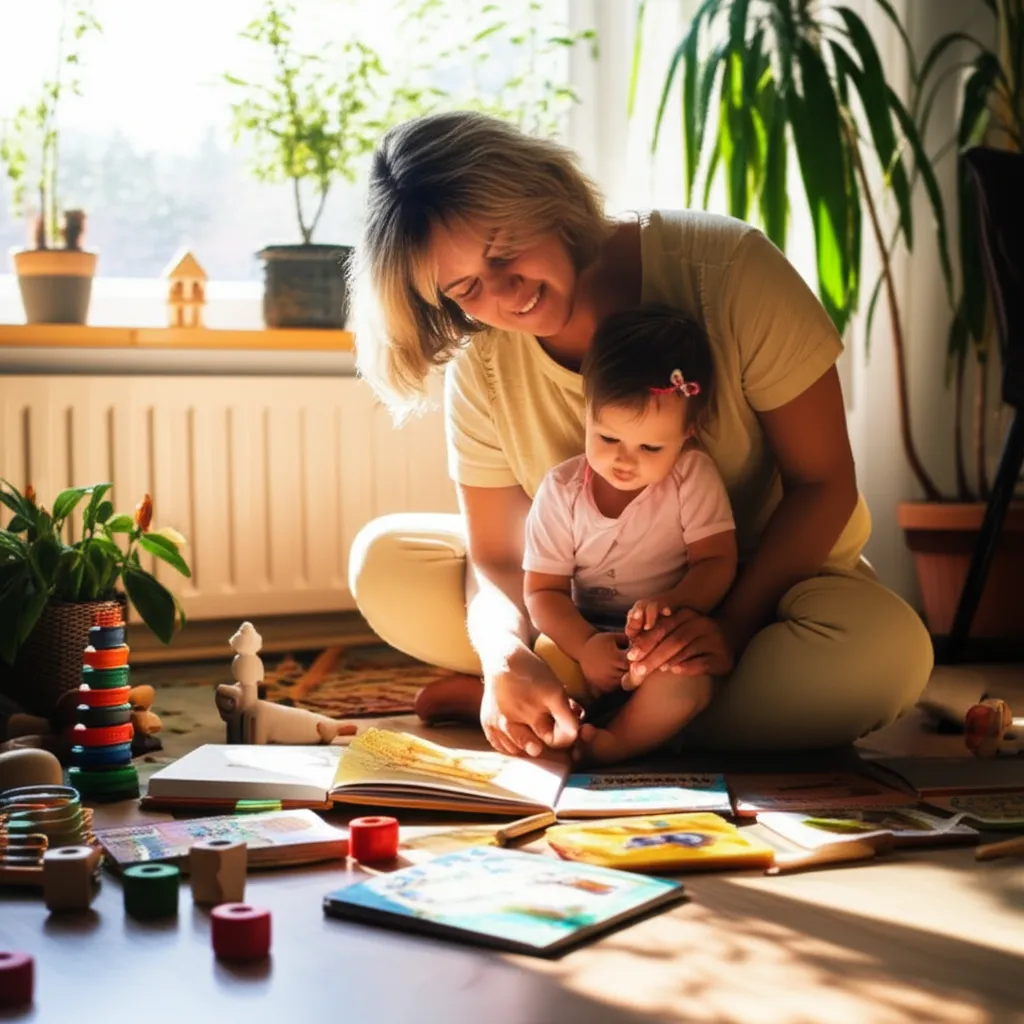
Three is the age when the outside world starts asking questions. "Where does she go to school?" becomes a regular query at the playground, and "We don't do school" gets some strange looks. Your three-year-old doesn't care about any of this. They're busy building elaborate pretend worlds, asking "why?" four hundred times a day, and figuring out how to ride a tricycle. The three-year-old's intellectual capacity has taken a leap. They understand stories with plots, can follow multi-step instructions (when they feel like it), and are beginning to grasp concepts like time, quantity, and category. All of this happens through conversation and play, not through worksheets or structured lessons. Unschooling a three-year-old looks like letting them lead the day. They want to spend an hour watching garbage trucks? You watch garbage trucks. They want to bake cookies? You bake cookies, and they learn about measuring, temperature, patience, and cause and effect along the way. They want to know why the sky is blue? You look it up together. The child's curiosity is the curriculum.
Key Unschooling principles at this age
The 'why' phase is the child building a mental model of the world. Answer honestly, even when you don't know
Complex pretend play is the child's primary cognitive workspace
Social skills develop through real interaction, not social skills curricula
Three-year-olds can do far more real-world tasks than most adults give them credit for
Boredom is not a problem to solve. It's a space where creativity starts
A typical Unschooling day
Unschooling activities for Three Year Old
Elaborate pretend play scenarios with increasing narrative complexity
Asking questions and exploring answers together through books, conversations, and observation
Real cooking: measuring, stirring, pouring, kneading dough
Art projects with no predetermined outcome: open-ended painting, collage, sculpture with recycled materials
Outdoor exploration: nature walks, puddle jumping, insect watching, garden digging
Parent guidance
Why Unschooling works at this age
- The child's constant questioning drives deep learning across every domain
- Pretend play at this age builds theory of mind, narrative skills, and creative thinking
- Three-year-olds are deeply social and learn enormous amounts from mixed-age interaction
- Physical development happens through free play more effectively than structured movement classes
Limitations to consider
- Social pressure intensifies as peers enter formal preschool programs
- Some children genuinely crave the structure and social density that preschool provides
- The parent must be available and engaged for most of the day, which isn't feasible for all families
- Without intentional social effort, the child may have limited peer exposure
- Three-year-olds can be oppositional, making 'follow the child' feel like 'follow the dictator'
Frequently asked questions
All the other three-year-olds are in preschool. Am I disadvantaging my child?
No. The research on preschool outcomes is surprisingly mixed. High-quality preschool shows benefits for children from disadvantaged backgrounds, but for children from stimulating home environments, the academic advantages of preschool are minimal to nonexistent by elementary school age. What matters is the quality of the child's daily experience, not where it happens.
My three-year-old can't write their name. Is that a problem?
No. Most three-year-olds can't write their name, including many in preschool. Fine motor development varies widely, and pushing writing before the hand is ready can cause grip problems later. Some children write at 3, others at 6 or 7. In Finland, formal literacy instruction doesn't begin until age 7, and they consistently rank among the top readers in the world.
How do I handle the preschool question from family?
Be direct and brief: 'We're homeschooling' or 'We're doing child-led learning at home.' You don't owe anyone a detailed philosophical justification. If someone is genuinely curious and open-minded, share more. If they're judging, a short answer and a subject change is sufficient. Defending your choice to skeptics is exhausting and rarely productive.
Should I at least teach letters and numbers?
You don't need to teach them formally. Name letters and numbers as they appear naturally: on signs, license plates, book pages, clocks. Many three-year-olds absorb this information effortlessly from their environment. If your child shows interest in letters, follow it. If they don't, leave it alone. Early academic drilling correlates with increased anxiety, not with better long-term outcomes.