Ignatian Education for Three Year Old
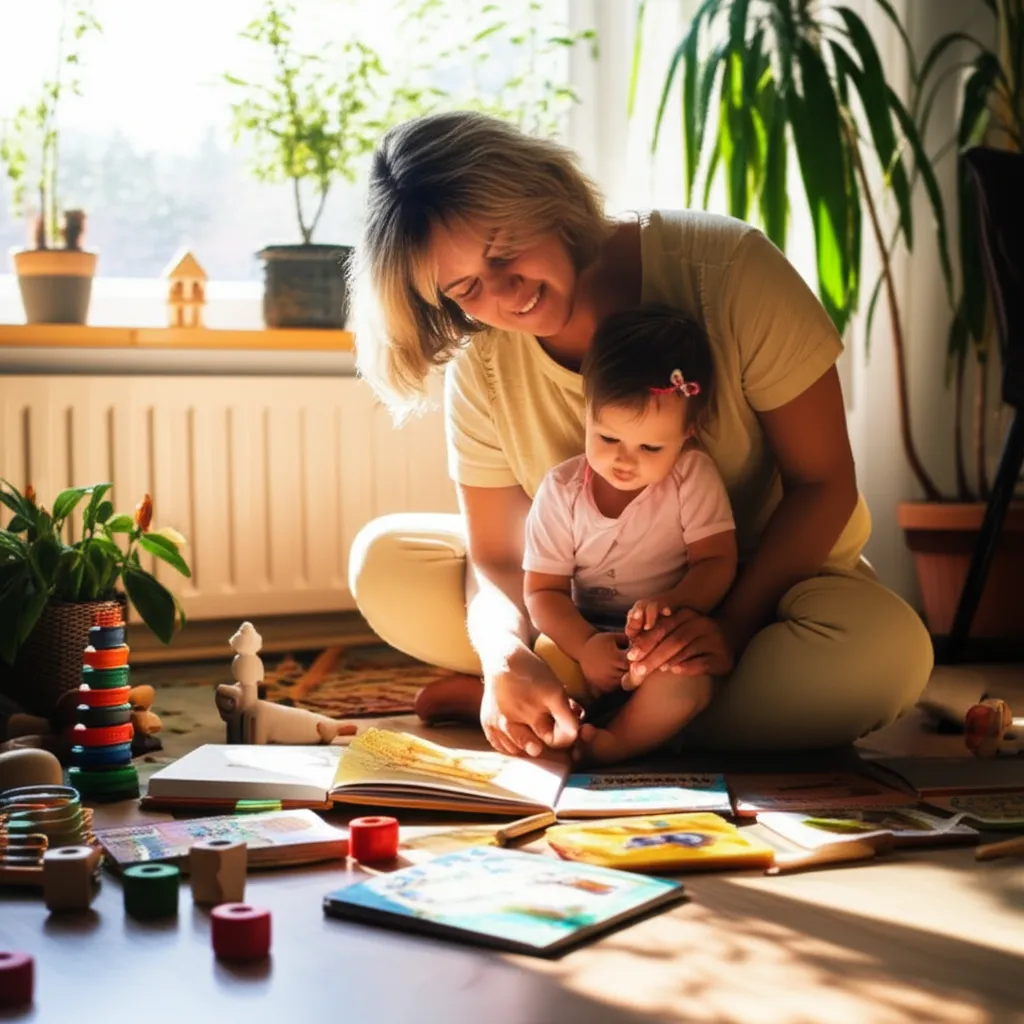
Three-year-olds are entering what Ignatian educators might call a period of expanding awareness. Their world is getting bigger — more people, more ideas, more questions. The endless "why?" phase is, in Ignatian terms, a beautiful expression of the human drive to understand, to find meaning, to discover how things connect. This is a child ready for genuine, if simple, engagement with the Ignatian educational vision. At three, the Ignatian emphasis on community becomes tangible. Your child is forming friendships, learning to navigate group dynamics, and beginning to understand that their actions affect other people. This is the seedbed for the Jesuit mission of forming people who use their gifts for the good of others. The Reflection step of the pedagogical paradigm deepens significantly at this age. Three-year-olds can tell you about their day, describe what they liked and didn't like, and even begin to articulate why. Evening conversations about the day aren't just routine — they're the earliest form of the Ignatian examen, and they build the muscle of self-awareness that Ignatius considered essential to a well-lived life.
Key Ignatian principles at this age
Honoring curiosity as sacred — treating your child's questions with genuine respect and exploring answers together
Community formation — creating opportunities for your child to practice cooperation, empathy, and shared purpose
Deepening reflection — moving from 'what happened?' to 'how did you feel?' and 'what do you think?'
Story as teacher — using narrative (books, oral stories, family stories) to explore values and meaning
Age-appropriate service — expanding your child's contributions beyond household tasks to simple acts of kindness in the community
A typical Ignatian day
Ignatian activities for Three Year Old
Start a "wonder journal" together — draw or paste pictures of things your child is curious about, and revisit them to see what you've learned
Create simple service projects: making cards for grandparents, collecting food for a food bank, baking cookies for a neighbor
Tell stories — from your own childhood, from family history, from different cultures — that illustrate kindness, courage, and caring for others
After playdates or social situations, talk through what happened: 'I saw you share your truck with Ben. How did that feel? How do you think Ben felt?'
Introduce simple nature study: adopt a tree in your yard or park, visit it regularly, notice changes through seasons
Practice the "Ignatian imagination" with stories: after reading a book, ask 'What would you do if you were that character?'
Parent guidance
Why Ignatian works at this age
- Three-year-olds' natural curiosity and sociability align beautifully with Ignatian values
- Simple reflection practices are genuinely accessible and meaningful at this age
- Service projects create concrete experiences of 'being for others'
- The storytelling emphasis leverages three-year-olds' love of narrative
Limitations to consider
- Few formal Ignatian programs exist for three-year-olds compared to Montessori or Waldorf
- The approach remains more philosophical than practical — parents must create their own curriculum
- Three-year-olds' limited emotional regulation means reflection often happens after meltdowns, not during calm moments
- The Catholic framing of some Ignatian concepts (examen, finding God in all things) requires adaptation for secular or non-Catholic families
Frequently asked questions
My three-year-old asks 'why' constantly. How do I respond Ignatianly?
With genuine engagement. The Ignatian tradition values intellectual curiosity as a pathway to understanding truth and meaning. When your child asks why the sky is blue, take it seriously: 'That's a great question. Let's find out.' You don't need to have all the answers — in fact, wondering together ('I'm not sure, what do you think?') models the Ignatian stance of humble inquiry. The only wrong response is dismissal. 'Because I said so' has its place in safety situations, but for genuine curiosity questions, honor them.
How do I incorporate Ignatian spirituality without imposing religion on my child?
Focus on the universal elements: gratitude, wonder, empathy, reflection, service. You can practice the examen without mentioning God — 'What are you thankful for?' works for any family. The Ignatian emphasis on finding the sacred in everyday life translates easily to a secular family's emphasis on finding meaning, beauty, and connection in everyday life. If you're religious but not Catholic, the Ignatian framework adapts well to most faith traditions — it's more about a way of paying attention than specific doctrines.
Should I start formal academics at three?
Ignatian education traditionally hasn't pushed early academics. The original Jesuit educational model (the Ratio Studiorum) was designed for students roughly ten and older. For three-year-olds, Ignatian education prioritizes the foundations that make academics successful later: curiosity, the ability to reflect, social skills, emotional awareness, and a love of learning. If your child is naturally interested in letters or numbers, follow that interest. But don't force formal instruction. Play, conversation, stories, nature, art, and service are your curriculum right now.