Enki Education Education for Three Year Old
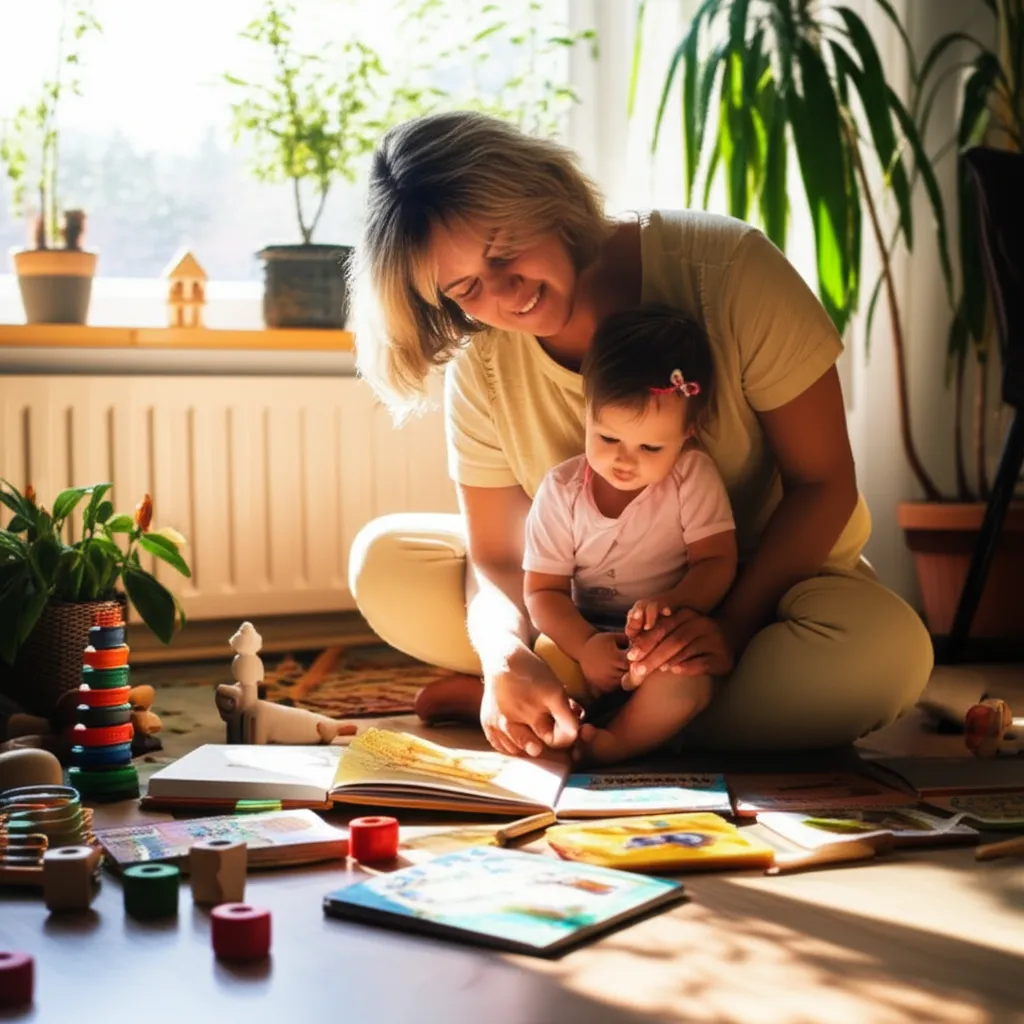
Three is when Enki Education starts to feel like an actual program rather than just a philosophy. The Early Childhood Guides are designed for this age range, and they bring Enki's three-fold path of mastery, meaning, and movement into a structured (but gentle) daily rhythm. Your three-year-old is ready for a real movement circle with songs and gestures from around the world, simple told stories from diverse folk traditions, and seasonal crafts using natural materials. What makes Enki distinctive at this age becomes clear. Where a Waldorf preschool might emphasize European fairy tales and pentatonic music, Enki draws from global traditions — West African call-and-response songs, Japanese folk melodies, Native American stories, Celtic lullabies. The movement circle isn't just free dance; it incorporates qualities drawn from yoga, martial arts, and qigong — grounding, balance, intentional movement — adapted for very young children. This multicultural foundation is central to Enki's identity and one of the main reasons families choose it over traditional Waldorf. The three-year-old is still primarily learning through imitation and sensory experience. Enki's approach at this age is to surround the child with rich, beautiful, real experiences — music sung live, stories told from memory, crafts made from natural materials, time in nature — and trust that the child absorbs what they need. There's no testing, no benchmarks, and no academic content. The curriculum is life itself, organized with more intention.
Key Enki Education principles at this age
The Early Childhood Guides provide a framework of daily rhythm, movement circle, storytelling, and seasonal crafts
Multicultural immersion through music and stories from diverse world traditions begins in earnest
All learning happens through imitation, sensory experience, and participation — not instruction
Nature and seasonal awareness anchor the year's rhythm with crafts, stories, and observations tied to the turning year
A typical Enki Education day
Enki Education activities for Three Year Old
Daily movement circle with multicultural songs, clapping, stamping, and whole-body gestures
Wet-on-wet watercolor painting with plant-based watercolors on wet paper
Beeswax modeling — warming beeswax in hands and shaping simple forms
Seasonal crafts with natural materials — wool, wood, beeswax, pine cones, leaves
Told stories from world folk traditions — simple, repetitive, with clear narrative arcs
Finger crocheting and finger knitting with thick, soft yarn
Parent guidance
Why Enki Education works at this age
- Finally having published materials gives parents structure and confidence
- The multicultural song and story collection is genuinely beautiful and broadens the family's cultural world
- Movement circles build coordination, rhythm, and body awareness in a joyful, non-competitive way
- The seasonal rhythm connects the child to natural cycles in a deeply embodied way
Limitations to consider
- The curriculum materials are a significant financial investment for what is essentially a preschool program
- Enki's community is small — finding local families using the same curriculum is unlikely
- The program requires significant parent preparation time (learning songs, stories, and crafts)
- No academic readiness preparation — parents worried about kindergarten benchmarks won't find reassurance here
Frequently asked questions
What do I need to buy to start Enki with a three-year-old?
The Early Childhood Guides Set is the starting point. It includes guidance on daily rhythm, a collection of movement circle songs and activities (over 100), seasonal crafts, nature stories, and instructions for painting, modeling, and handwork. You'll also want art supplies — beeswax crayons, plant-based watercolors, beeswax for modeling, and thick yarn for finger knitting.
Is three too young for a movement circle?
Not at all — three-year-olds take to it naturally. The key is keeping it short (10-15 minutes) and fully participatory. Your child won't do every gesture perfectly, and that's fine. The circle is about joy, rhythm, and immersion, not precision. Do it alongside your child, not in front of them as a teacher.
How does Enki handle socialization for the three-year-old who isn't in preschool?
Enki doesn't offer specific socialization guidance, which is a real gap. The implicit assumption is that the child socializes through family life, neighborhood play, and community involvement. If your child is at home full-time, you'll need to arrange social opportunities yourself. Some Enki families form small co-ops or playgroups, but finding others in your area is challenging given the curriculum's niche status.
Do I need to follow Enki's program exactly, or can I combine it with other approaches?
Many families blend Enki with other approaches. Enki's movement circles and multicultural stories can enrich a Montessori home, and Montessori's practical life activities fit seamlessly into an Enki day. Beth Sutton has written about Enki's relationship to both Waldorf and Montessori, acknowledging shared roots. The purist approach is to follow the daily rhythm as designed, but the reality of homeschooling is that most families adapt.