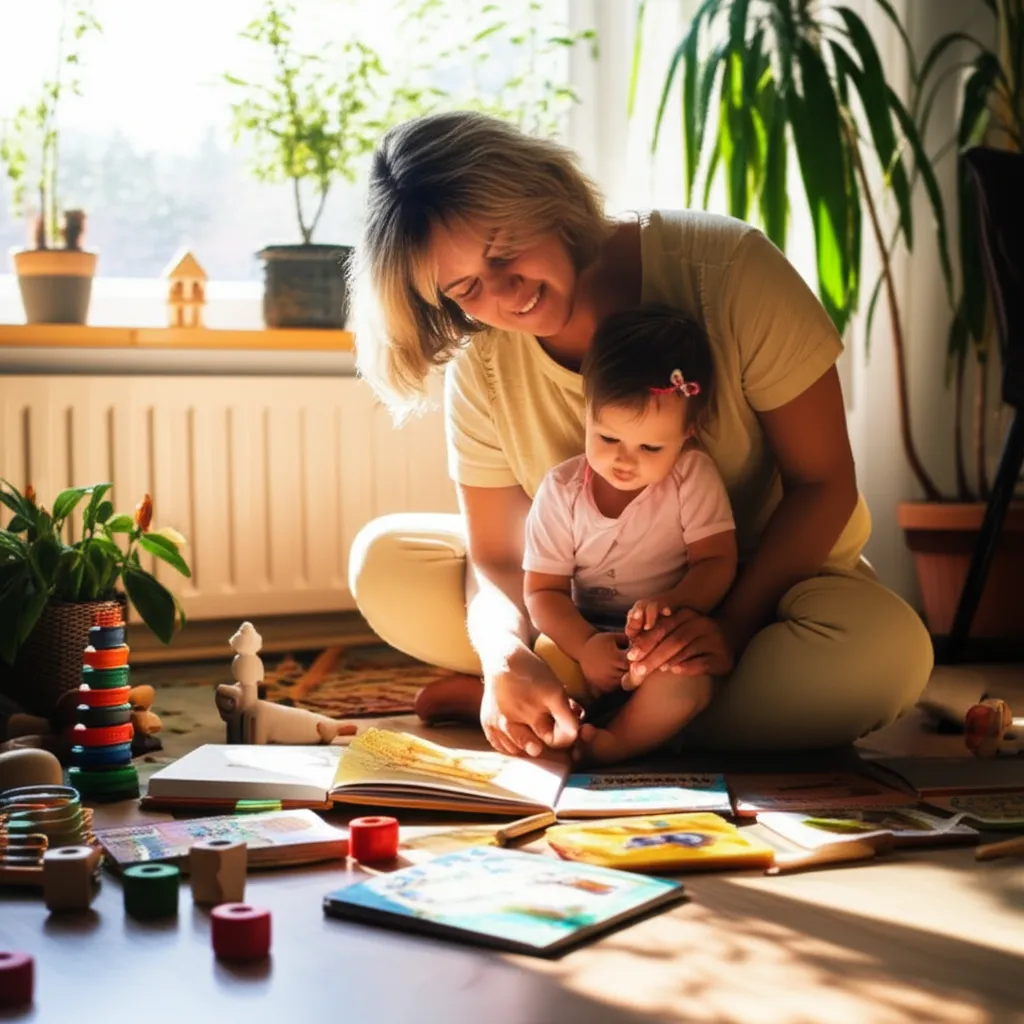
Ambleside Online Education for Three Year Old
Three is when AO's Year 0 truly comes alive. A three-year-old can participate in real nature observation, listen to longer stories, sing full songs, and engage in meaningful conversations about what they see and hear. Charlotte Mason would call this the age when 'the child's mind feeds on ideas' and the parent's job is to serve up a feast of them. Ambleside Online's Year 0 activities now feel directly applicable. The curriculum suggests nature walks with observation, read-alouds from a curated list of picture books, introduction to art through picture study, music through hymns and folk songs, and early exposure to poetry. None of this is formal — there are no schedules or assignments. But the practices that will later become structured AO subjects (nature study, picture study, composer study, poetry) are all present in seed form. This is also the age when narration makes its first, informal appearance. A three-year-old who says 'The bear went to the river!' after hearing a story is narrating. AO families are encouraged to welcome and enjoy these spontaneous retellings without turning them into formal practice. The formal narration training starts in Year 1, but the child who's been encouraged to talk about stories is well prepared for it.
Key Ambleside Online principles at this age
Nature observation becomes more intentional — stopping to look closely, naming what you see, returning to the same spots
Read-alouds include longer picture books and simple chapter books read over several days
Informal narration is welcomed and encouraged — 'Tell me about the story'
Art and music exposure deepens, with simple picture study (looking at one painting together) and regular singing
Outdoor time remains the centerpiece — Mason recommended four to six hours outside daily for young children
A typical Ambleside Online day
Ambleside Online activities for Three Year Old
Nature walks with focused observation — keeping a mental note of what the child notices each time
Picture book read-alouds, including longer stories and simple fairy tales
Informal picture study — looking at one beautiful painting and talking about what you see
Singing folk songs and hymns, learning them by heart through repetition
Outdoor exploration projects — building with sticks, making mud pies, planting seeds
Listening to poetry — nursery rhymes and simple poems by A.A. Milne, Robert Louis Stevenson
Parent guidance
Why Ambleside Online works at this age
- Year 0's activities finally match the child's developmental stage — things click at three
- Mason's emphasis on outdoor life gives three-year-olds exactly what they need physically and cognitively
- Early informal narration builds a skill that becomes central to AO's entire approach
- The curriculum's literary quality means children are hearing gorgeous language daily
Limitations to consider
- Year 0 is still loose and unstructured — parents who want a daily lesson plan won't find one
- AO provides no guidance on pre-reading skills, math readiness, or other academics
- The recommended 4-6 hours of outdoor time is unrealistic for many families' schedules and climates
- Three-year-olds' moods and cooperation are unpredictable, which can make any 'plan' frustrating
Frequently asked questions
My three-year-old wants to do 'school' like the older kids. What should I do?
This is really common in AO families with multiple children. Give your three-year-old their own 'school' supplies — a nature basket, their own picture books, a sketchbook with crayons — and let them participate in family read-alouds and singing. They can 'do copywork' by scribbling while older siblings write. The key is making them feel included without imposing formal academics. Mason was clear that premature formal instruction does more harm than good.
What books does AO recommend for three-year-olds?
AO's Year 0 page suggests picture books by authors like Beatrix Potter, Elsa Beskow, Robert McCloskey, and Virginia Lee Burton. They also recommend nursery rhyme collections, simple poetry, and fairy tales from collections by Lang or similar. The emphasis is on books with beautiful language and illustrations that reward close looking. The AO community maintains informal lists of favorite read-alouds for this age on their forum.
How do I know if my three-year-old is ready for Year 1?
They're not — Year 1 is designed for children around age 6, and AO explicitly recommends waiting. Readiness for Year 1 involves being able to sustain attention for 10-15 minutes, narrate a passage orally after one reading, do basic copywork, and handle multi-chapter books read aloud over weeks. These skills develop between ages 4-6. Enjoy where your child is right now rather than looking ahead.