Unschooling Education for Newborn
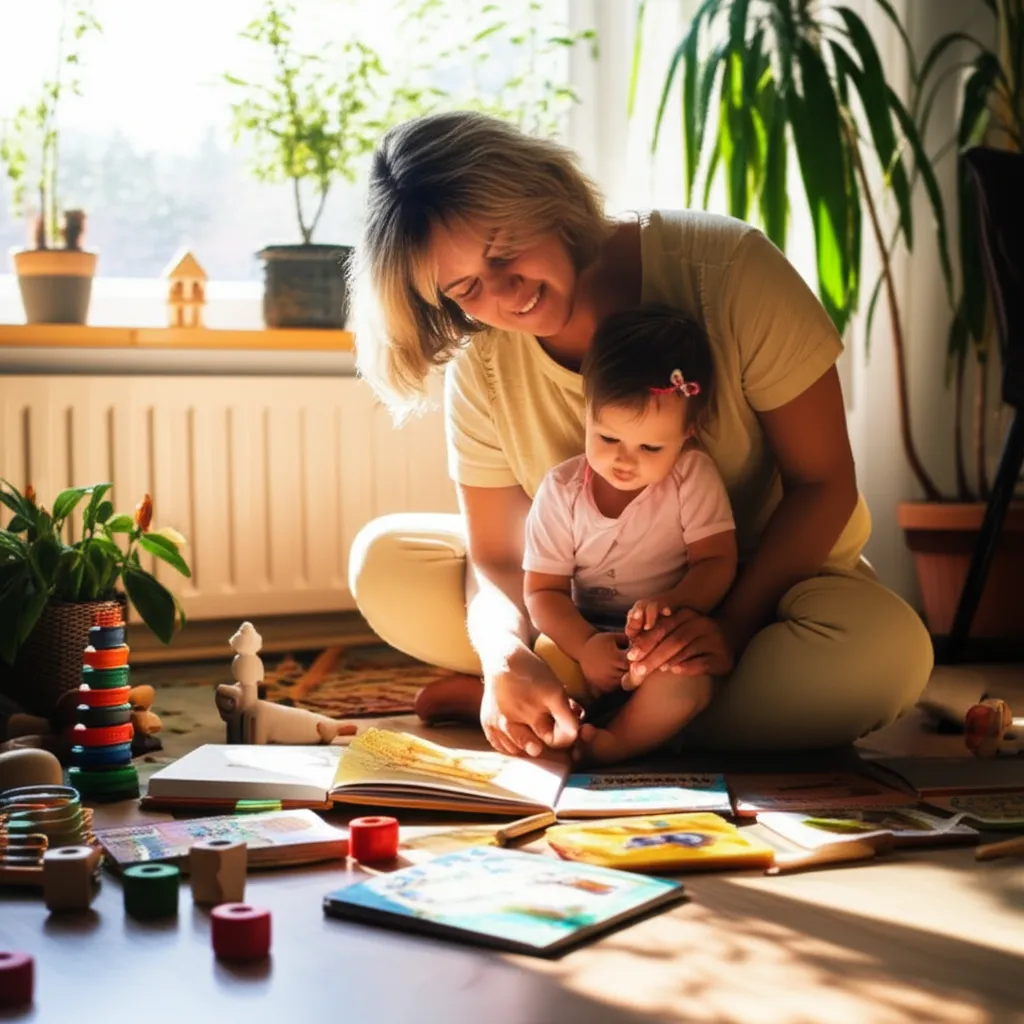
Unschooling a newborn sounds absurd, and in a way it is. Nobody is handing a two-week-old a curriculum. But the unschooling philosophy starts here because it starts with a posture: trust the child. A newborn is already learning constantly. They're calibrating to light, sound, faces, and the rhythm of your breathing. They don't need flashcards or black-and-white contrast cards propped in their crib on a schedule. What unschooling means at this age is resisting the pressure to optimize. The baby industry sells "developmental stimulation" products for infants who are already doing exactly what they need to do. An unschooling parent holds the baby, talks to them, responds to their cries, and lets them observe the world at their own pace. This is the easiest stage to unschool because it's indistinguishable from attentive parenting. The challenge isn't pedagogical. It's cultural. You'll get questions about what programs you're enrolling them in before they can hold their head up.
Key Unschooling principles at this age
Respond to the baby's cues rather than following a schedule from a book
Sensory learning happens through normal life: being held, hearing conversation, seeing faces
Resist the urge to buy developmental toys marketed at anxious new parents
Attachment and trust are the foundation everything else builds on
A typical Unschooling day
Unschooling activities for Newborn
Skin-to-skin contact and being carried around the house during daily tasks
Hearing natural conversation (not baby talk scripts, just your real voice)
Watching household activity from a safe vantage point
Going outside and experiencing weather, wind, bird sounds
Tummy time when the baby tolerates it, not on a mandated schedule
Parent guidance
Why Unschooling works at this age
- Zero conflict between unschooling and cultural expectations since no one expects academics yet
- Builds the responsive parent-child relationship that unschooling depends on later
- Frees parents from the pressure to perform developmental milestones on schedule
- Newborns are pure curiosity; they model what self-directed learning looks like at its most basic
Limitations to consider
- The philosophy doesn't provide much practical guidance because there's nothing to unschool from yet
- Parents may feel they should be doing more and mistake unschooling for neglect
- Without a peer community, unschooling parents of newborns can feel isolated in their choices
- Sleep deprivation makes philosophical commitments hard to maintain
Frequently asked questions
Isn't unschooling a newborn just... parenting?
Yes. That's the point. Unschooling argues that natural, responsive parenting IS education. The distinction matters later when the culture says it's time to start formal instruction. Laying the philosophical groundwork now means you won't panic when your four-year-old isn't reading.
Should I be doing infant stimulation activities?
Normal interaction is stimulation. Talking to your baby, letting them watch you cook, carrying them in a wrap while you walk the dog. The infant stimulation industry sells products that replicate what attentive parents already provide for free.
When should I start thinking about unschooling more intentionally?
Around 6-12 months, you'll start making more active choices: what toys to offer, how to set up their space, whether to enroll in baby classes. That's when the philosophy becomes more practically relevant. Right now, just be present.