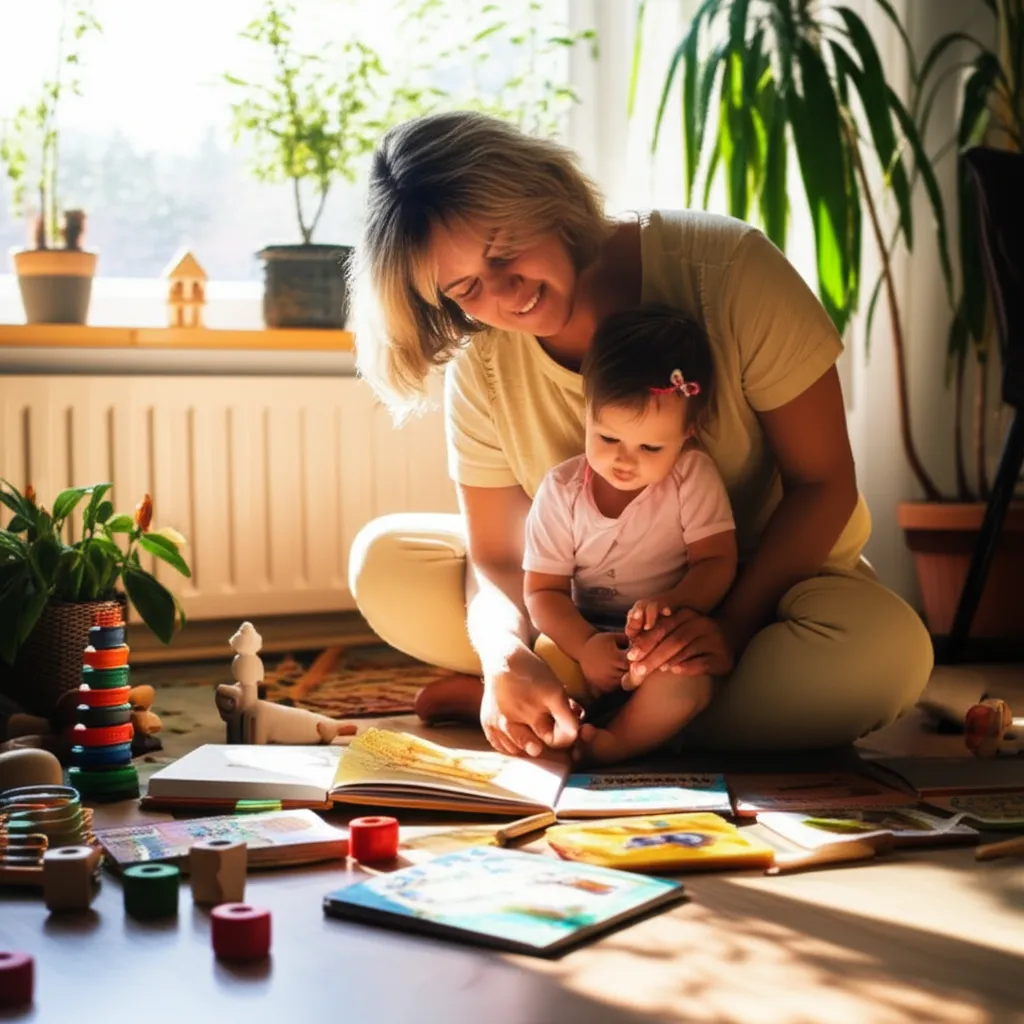
Traditional Education for Newborn
Traditional homeschooling doesn't formally begin at the newborn stage, but parents who plan to follow a structured, textbook-based approach often start laying groundwork now. This period is about bonding, establishing routines, and creating an environment where learning will eventually feel natural and expected. Newborns are absorbing the world through every sense — the sound of your voice, the warmth of your arms, the contrast of light and shadow. While there's no curriculum to crack open yet, the habits you build now (consistent schedules, reading aloud, talking through daily life) mirror the structured approach that traditional homeschooling relies on later. If you've already chosen a curriculum provider like Abeka or BJU Press, you might browse their early childhood philosophy guides. But don't rush. This stage is about presence, not performance.
Key Traditional principles at this age
Establishing consistent daily rhythms that will later support a structured school schedule
Building secure attachment as the foundation for all future teacher-student dynamics at home
Providing rich sensory input through everyday interactions — talking, singing, and reading aloud
Recognizing that routine itself is the first 'curriculum' a newborn experiences
A typical Traditional day
Traditional activities for Newborn
Reading board books aloud during alert, awake periods
High-contrast visual cards held 8-12 inches from baby's face
Narrating daily routines to build early language exposure
Gentle tummy time on a firm surface with supervision
Playing varied music — classical, folk, lullabies — during awake times
Skin-to-skin contact and face-to-face interaction during feeding
Parent guidance
Why Traditional works at this age
- Building routine early makes the eventual transition to a structured school day feel natural
- Reading aloud from day one creates a book-rich environment
- Parents have time to research and select curriculum before they need it
- Establishing a 'school mindset' in the home without any pressure
Limitations to consider
- No formal traditional curriculum exists for this age — it's all informal
- Sleep deprivation makes it hard to plan or think ahead about schooling
- Comparing your baby's development to milestone charts can create unnecessary anxiety
- The structured approach doesn't offer much guidance for the pre-verbal stage
Frequently asked questions
Should I buy curriculum materials for my newborn?
No. Save your money and energy. Most traditional curriculum providers don't have materials for children under age 2-3. If you want to prepare, research programs and read reviews, but don't purchase anything yet.
Is it too early to start a daily schedule?
A loose routine based on your baby's natural feeding and sleep cycles is fine and even helpful. But a rigid schedule imposed on a newborn isn't realistic or necessary. Let your baby's needs lead, and structure will come.
How do I homeschool my older kids with a newborn?
Simplify. Focus on the essentials — math and reading for older students — and let everything else be light. Use independent workbook time for older kids during feedings. Many traditional curricula have independent-study options that work well here.