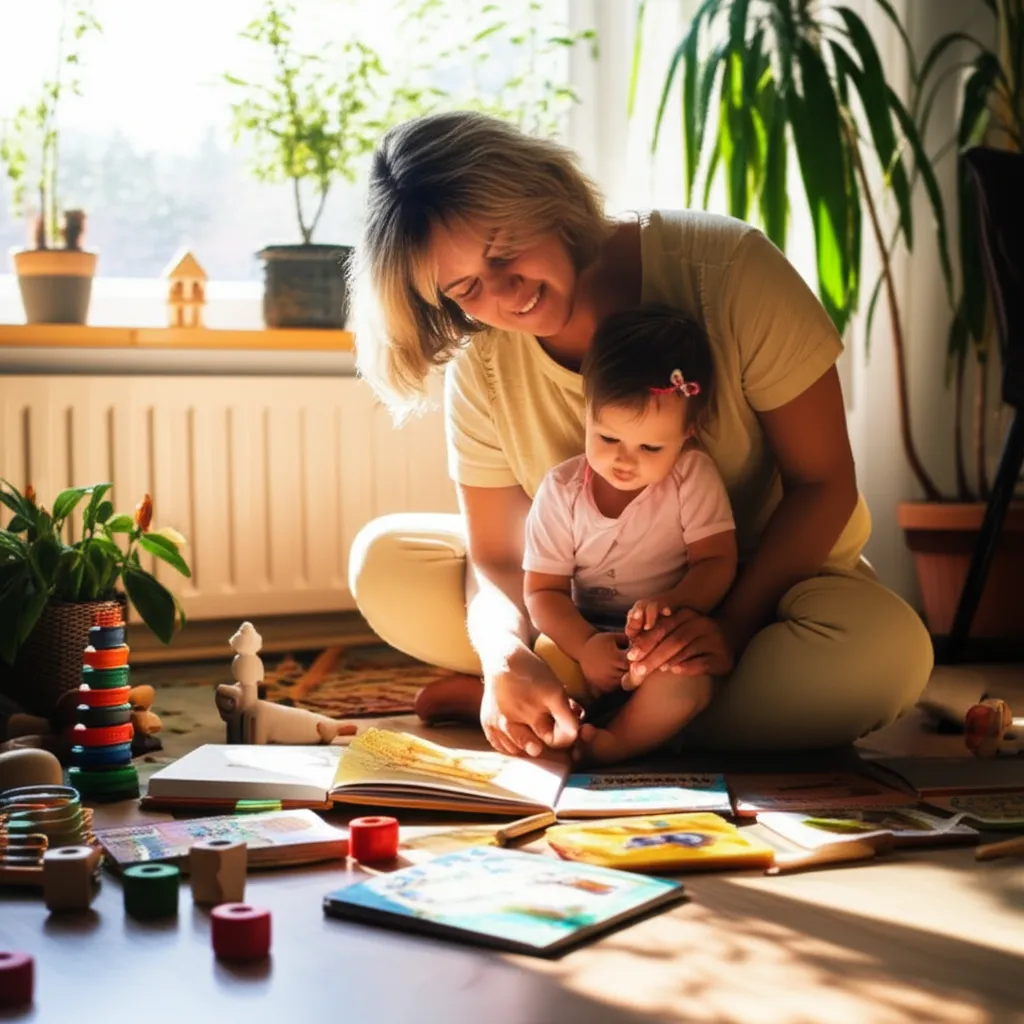
Roadschooling Education for Newborn
Roadschooling with a newborn is less about the baby's education and more about establishing that travel-based living works for your growing family. Newborns are surprisingly portable — they sleep most of the day, nurse on demand, and don't need much beyond a safe sleep space and a calm caregiver. Many fulltime travel families say the newborn phase was one of the easiest times on the road. That said, the first three months bring real logistical considerations. You'll need reliable access to pediatric care, a plan for well-baby checkups across state lines, and enough stability in your routine to recover from birth. Some families park their RV or settle into one location for the first 6-8 weeks, then resume traveling once everyone's adjusted. The "education" happening right now is all sensory and relational. Your newborn is absorbing the sounds of different environments — birds at a campsite, ocean waves, rain on the RV roof. They're learning to regulate through your voice, your heartbeat, and the rhythm of movement. This is the foundation that all future roadschooling builds on.
Key Roadschooling principles at this age
Bonding and attachment are the primary 'curriculum' — responsive caregiving in changing environments builds secure attachment
Sensory exposure through travel provides rich neurological stimulation without any structured effort
Parental wellbeing matters most — a rested, regulated parent is the best teacher a newborn can have
Flexibility over itinerary — let the baby's feeding and sleep rhythms drive your travel pace
A typical Roadschooling day
Roadschooling activities for Newborn
Outdoor tummy time on a blanket at different campsites — grass, sand, shaded forest floor
Skin-to-skin time while describing the landscape around you in simple narration
Playing recordings of local birdsong or nature sounds specific to your current region
Gentle sensory play with natural textures found on your travels — smooth river stones, soft moss, pine needles
Reading aloud from whatever you're enjoying — the baby benefits from hearing your voice, not from the content
Short walks in a carrier through new environments, narrating what you see and hear
Parent guidance
Why Roadschooling works at this age
- Newborns are incredibly portable — they don't need toys, activities, or entertainment beyond their caregivers
- The white noise of travel (engine hum, rain, wind) often helps newborns sleep better than silence
- Parents can still enjoy adult-oriented travel experiences while the baby sleeps in a carrier
- Early exposure to varied environments may support sensory processing development
Limitations to consider
- Access to consistent pediatric care across state lines or countries requires advance planning
- Sleep deprivation plus driving is a genuine safety concern — build in extra rest days
- Postpartum recovery needs stability, which can conflict with the urge to keep moving
- Temperature regulation is limited in newborns, making extreme climates risky without proper RV climate control
Frequently asked questions
Is it safe to travel fulltime with a newborn?
Yes, with planning. Most pediatricians recommend waiting until the baby has their first round of vaccinations (around 6-8 weeks) before exposing them to crowded public spaces. Stick to outdoor destinations, carry a well-stocked first aid kit, and identify pediatric urgent care options along your route. Many roadschooling families find that the outdoor lifestyle is actually healthier for newborns than indoor environments.
How do we handle well-baby checkups while traveling?
Some families establish care with a telehealth-friendly pediatrician in their domicile state. Others use walk-in clinics or urgent care for routine checks. Keep a health binder with your baby's records, vaccination schedule, and insurance information. If you're traveling internationally, research healthcare access before you go.
What gear do we actually need for a newborn in an RV?
Much less than you think. A safe sleep space (many families use a mini crib, bassinet, or co-sleeper that fits in the RV), a good car seat, a baby carrier for hands-free exploration, and basic feeding supplies. Skip the swing, the bouncer, and the elaborate nursery setup. Minimalism is your friend in a small space.
Won't the baby miss out on socialization?
Newborns don't need peer socialization — they need responsive caregiving from a small number of trusted adults. Your baby is getting exactly what they need developmentally. The socialization question becomes more relevant later, and by then you'll have a network of traveling families.