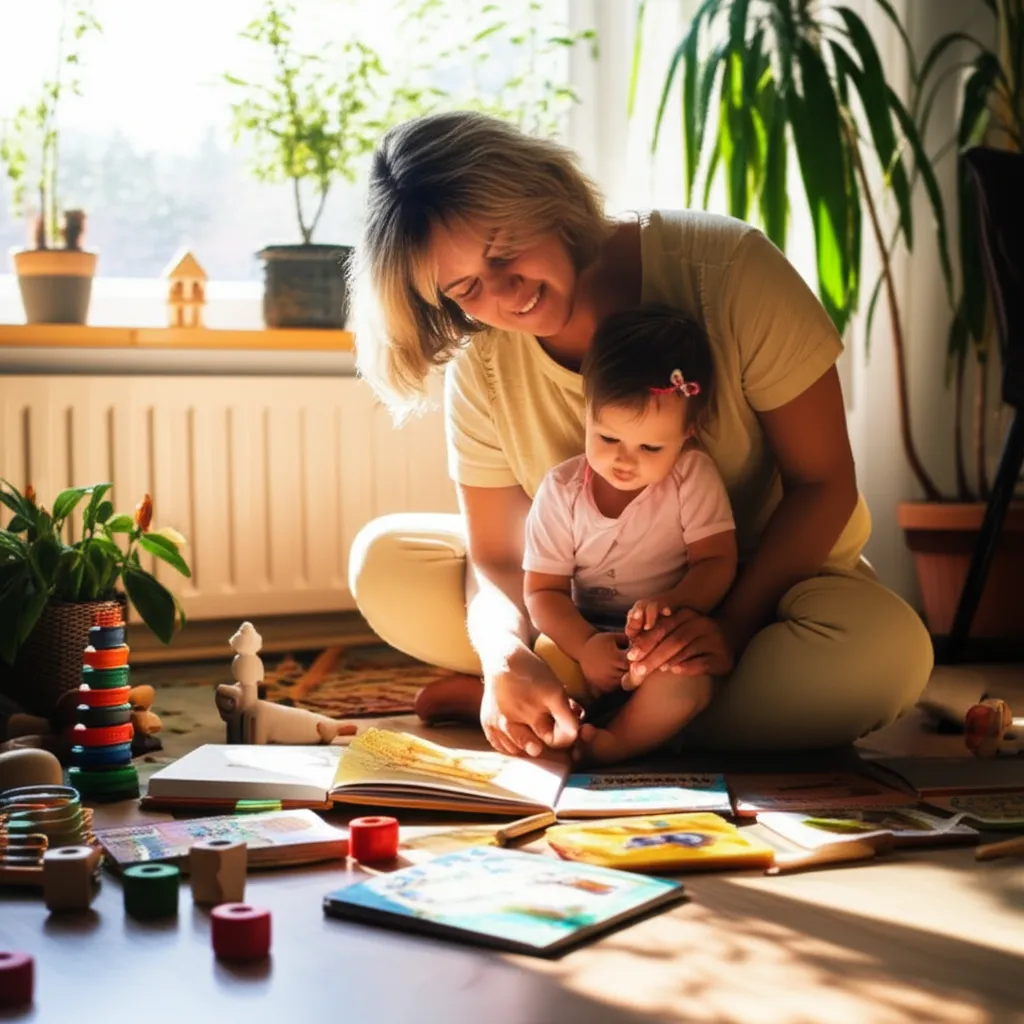
Ignatian Education for Newborn
Ignatian education might seem like a stretch for a newborn, but the Jesuit tradition's foundation — cura personalis, or care for the whole person — starts from the very first breath. At this stage, Ignatian practice isn't about lesson plans or spiritual exercises. It's about creating an environment of attentive, loving presence that honors the dignity of your child as a unique person. The Ignatian Pedagogical Paradigm begins with Context: understanding where the learner is right now. For a newborn, that means reading cues, responding to needs, and building the trust that becomes the bedrock of all future learning. St. Ignatius believed God could be found in all things — and parents practicing this approach learn to find meaning in the quiet, repetitive rhythms of early caregiving. This period is really about the parent's formation as much as the child's. Ignatian spirituality invites you to reflect on your experience as a new parent, to notice what stirs in you, and to bring intention to even the smallest moments of care.
Key Ignatian principles at this age
Cura personalis — treating your newborn as a whole person with inherent dignity, not just a bundle of needs to manage
Finding God in all things — discovering meaning and presence in feeding, holding, and soothing
Context as the starting point — observing and understanding your baby's unique temperament and rhythms before anything else
Reflection as parental practice — taking time to notice what caregiving stirs in you and what it reveals about your values
A typical Ignatian day
Ignatian activities for Newborn
Practice a simplified daily examen: at the end of each day, recall one moment of gratitude and one moment of difficulty from your caregiving
During feeding, put away screens and practice full presence — notice your baby's expressions, sounds, and movements
Create a simple blessing or intention you say when picking up your baby, grounding the action in purpose
Keep a brief reflection journal (even voice memos count) noting what surprised you about your baby today
During tummy time or alert periods, narrate the world around your baby with a tone of wonder and appreciation
Parent guidance
Why Ignatian works at this age
- Gives parents a reflective framework during an otherwise disorienting time
- Emphasizes presence and attunement, which aligns perfectly with attachment research
- No materials or preparation needed — it's an interior practice
- Builds the parent's capacity for intentional caregiving that pays dividends later
Limitations to consider
- There's no real "Ignatian newborn curriculum" — you're adapting adult spiritual practices to parenting
- The Catholic roots may feel alienating if you're not from that tradition, even though the principles are broadly applicable
- Sleep deprivation makes any reflective practice genuinely hard to sustain
- It can feel abstract compared to approaches like Montessori that offer concrete things to do with a newborn
Frequently asked questions
Do I need to be Catholic to use Ignatian education?
No. While Ignatian education comes from a Catholic, specifically Jesuit, tradition, its core principles — reflective awareness, care for the whole person, finding meaning in everyday experience — are accessible to families of any faith or none. Many Jesuit schools serve diverse religious populations. At the newborn stage especially, you're drawing on universal human practices of presence and reflection.
How is this different from just being a good parent?
The Ignatian layer adds intentional reflection. Many parents are naturally attentive, but Ignatian practice gives you a specific structure for noticing what's happening inside you (not just your baby) and learning from it. The daily examen, for instance, turns the blur of newborn days into something you can actually remember and grow from.
Is there any actual educational content for newborns in this tradition?
Not specifically. Ignatian education was historically designed for older students (the original Ratio Studiorum was for secondary and university education). What we're doing here is applying the underlying philosophy — especially cura personalis and the pedagogical paradigm's emphasis on context — to the earliest stage of life. Think of it as laying the philosophical groundwork, not implementing a lesson plan.