Classical Education for Newborn
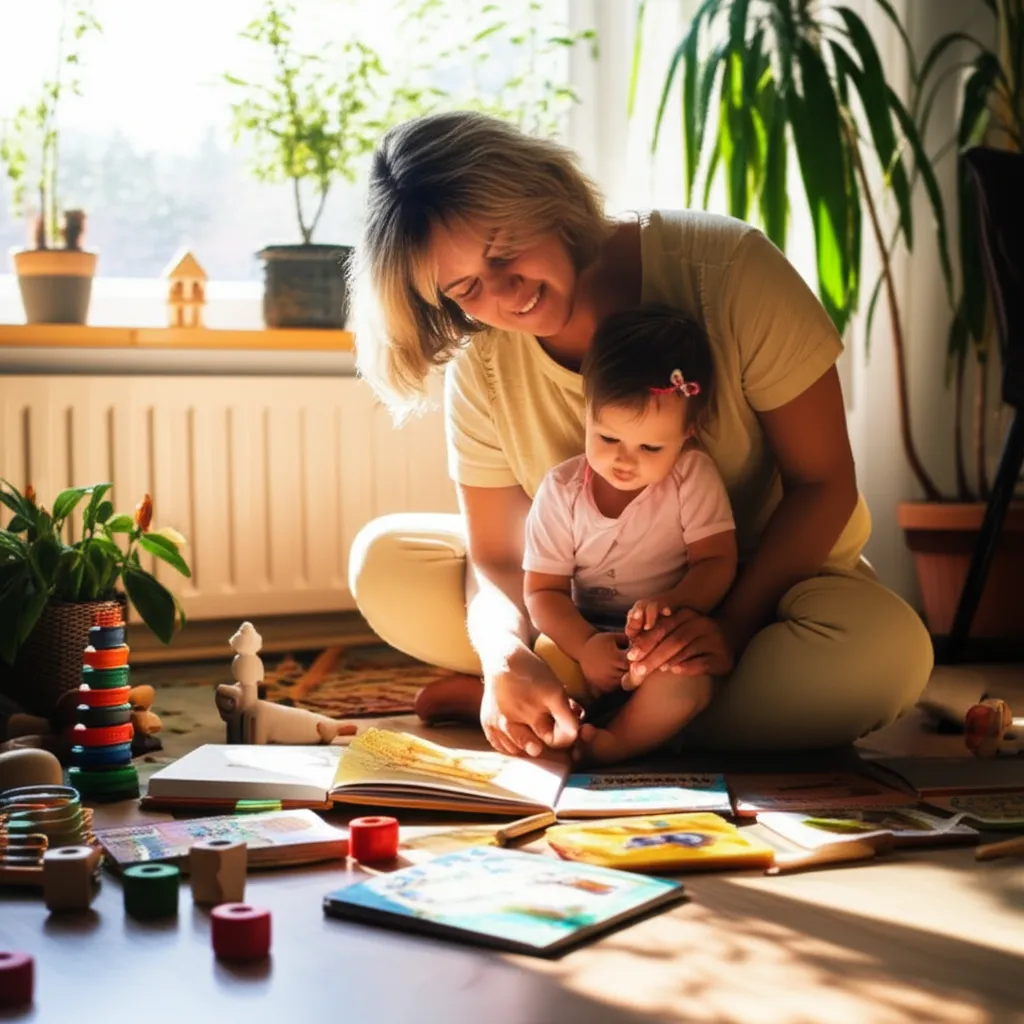
Classical education doesn't prescribe a formal curriculum for newborns, and any program claiming otherwise is selling something. What it does value is immersion in language and beauty from birth. Dorothy Sayers and Susan Wise Bauer both emphasize that the Grammar stage's love of memorization and rhythm has roots far earlier than kindergarten. For a newborn, this means surrounding your baby with rich spoken language. Read aloud from real books, not just board books with three words per page. Recite poetry. Sing hymns and folk songs. The classical tradition holds that a child's ear for language, cadence, and narrative structure begins forming long before they can speak a single word. You're not "teaching" anything yet. You're saturating your home with the raw materials your child will draw on for years: vocabulary, sentence patterns, the rise and fall of a well-told story.
Key Classical principles at this age
Language immersion through read-alouds, spoken poetry, and song
Exposure to beautiful, complex language rather than simplified baby talk
Building an auditory foundation that supports later Grammar stage work
Creating a home culture where books and stories are central
Trust that absorption is happening even without visible output
A typical Classical day
Classical activities for Newborn
Read aloud from novels, picture books, or poetry collections during feeding
Recite Mother Goose nursery rhymes during daily routines
Sing folk songs, hymns, or lullabies throughout the day
Play classical music (Bach, Vivaldi, Mozart) as background
Talk to your baby in complete, natural sentences about what you're doing
Parent guidance
Why Classical works at this age
- Zero pressure to perform or produce anything
- Parents can establish read-aloud habits before life gets complicated
- Baby's brain is wiring for language pattern recognition at incredible speed
- Any good parenting practice aligns with classical goals at this age
Limitations to consider
- No measurable academic outcomes are possible or appropriate
- Classical education offers no specific newborn curriculum, so parents must improvise
- Sleep deprivation makes consistent read-aloud habits genuinely hard to maintain
- Easy to feel like you should be doing more when less is better
- No community or co-op programming exists for this age
Frequently asked questions
Is it too early to start classical education with a newborn?
It's too early for formal instruction, yes. But it's the right time to build habits that serve the classical approach: reading aloud daily, filling your home with music and poetry, speaking in rich natural language. These aren't academic activities. They're parenting practices that happen to align perfectly with what classical education values.
What should I read aloud to a newborn?
Anything. The content matters far less than the habit. Many classical parents read their own novels aloud, or start with poetry anthologies (A Child's Garden of Verses by Robert Louis Stevenson is a common pick). Mother Goose rhymes work well for their rhythm and repetition. The goal is sustained exposure to varied, natural language.
Should I buy a classical curriculum for my newborn?
No. Any product marketed as a classical curriculum for newborns is misrepresenting the tradition. Classical education's formal structure begins around age 5. Before that, the tradition recommends exactly what developmental science recommends: language exposure, loving interaction, and no academic pressure.