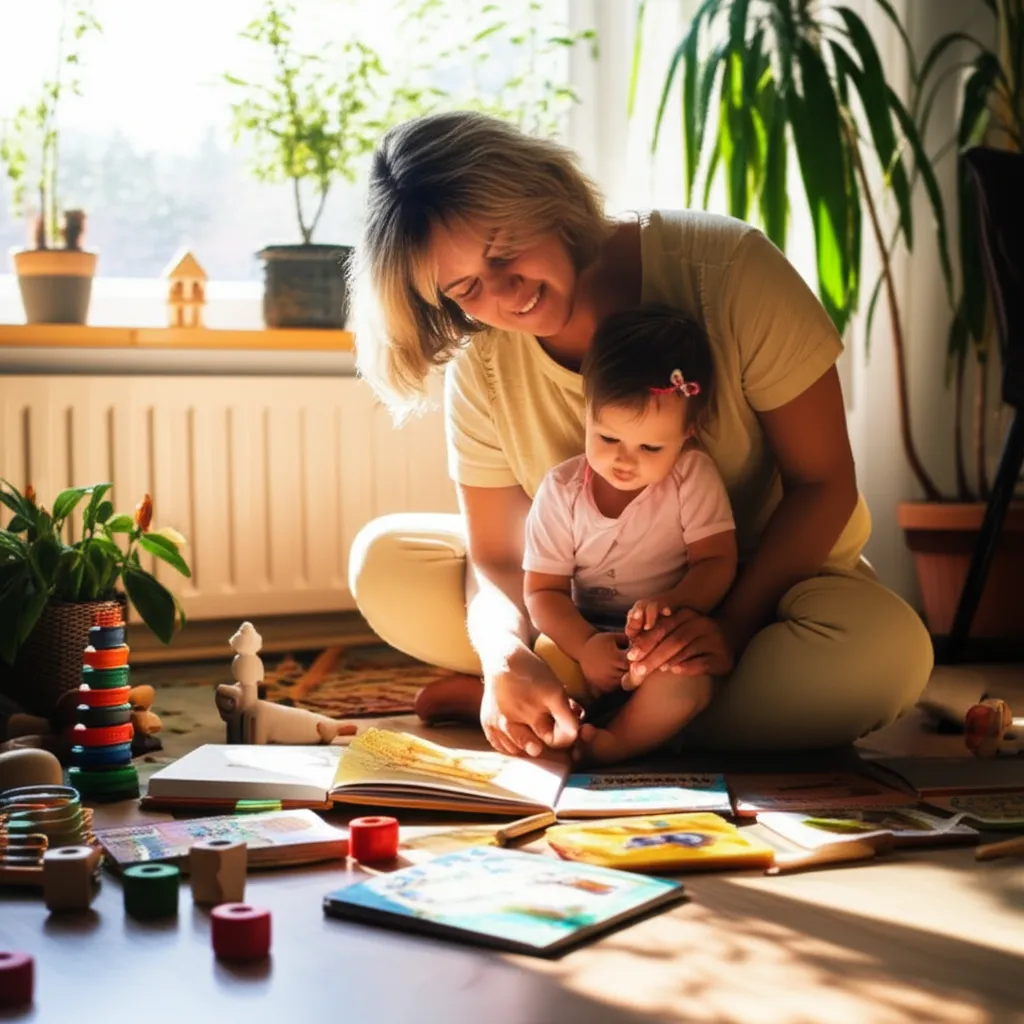
Roadschooling Education for Infant (9-12 Months)
The nine-to-twelve-month window is when your baby starts looking less like a passenger and more like a participant. They're pulling up to stand, cruising along furniture (or the RV couch), possibly taking first steps, and pointing at everything. That pointing is huge — it's your baby saying "I notice that, tell me about it." And when you're roadschooling, there's always something worth pointing at. Language is exploding beneath the surface even if the words haven't arrived yet. Your baby understands far more than they can say. They know "truck" and "bird" and "water" because they've seen dozens of trucks at rest stops, heard hundreds of birds at campsites, and splashed in water from the Pacific to the Atlantic. The vocabulary of a roadschooled baby is built from real experiences, not picture books — though picture books are great too. This is also the age when imitation becomes a primary learning mode. Your baby watches you set up camp and tries to "help." They see you cooking and want to bang pots. They watch older kids at a playground and attempt the same movements. If you're traveling with a community of other families, this peer modeling is incredibly valuable — and it happens naturally at campground playgrounds and family travel meetups.
Key Roadschooling principles at this age
Pointing and shared attention — when the baby points, name what they're pointing at and add a detail
Imitation is learning — let them 'help' with camp tasks, cooking, and setup even when it's slower
Movement variety builds physical confidence — different surfaces, inclines, and obstacles challenge developing gross motor skills
Receptive language is far ahead of expressive language — talk to them like they understand, because they mostly do
Routine anchors in a changing world — keep bedtime, mealtime, and greeting rituals consistent across locations
A typical Roadschooling day
Roadschooling activities for Infant (9-12 Months)
Supported walking on varied terrain — sand, grass, packed trails, gentle slopes
Animal encounters at farms, petting zoos, or wildlife viewing areas — name the animals and their sounds
Stacking and knocking down with natural materials — rocks, sticks, pinecones
Water play with pouring — cups, containers, and natural pools teach early physics concepts
Musical instrument play — shakers, drums, or improvised instruments from camp supplies
Board book reading at scenic overlooks — pair the story with the real landscape in front of you
Parent guidance
Why Roadschooling works at this age
- Intense curiosity combined with increasing mobility makes every destination a hands-on learning experience
- Pointing and shared attention create natural teaching moments dozens of times per day
- Exposure to diverse environments builds a rich receptive vocabulary before the child can even speak
- Physical development benefits from the variety of terrain and surfaces that travel provides
Limitations to consider
- New walkers fall constantly — uneven natural terrain increases the bumps and scrapes
- Separation anxiety can peak around 9-10 months, making the baby clingy in unfamiliar settings
- Nap transitions (from three to two naps) can disrupt travel schedules for several weeks
- Car seat tolerance may decrease — longer drives become harder as the baby wants to move
Frequently asked questions
My baby is about to walk. Should we adjust our travel plans?
Yes, but in a good way. New walkers need flat, open, safe spaces to practice. Think beaches (hard-packed sand is great for walking), large grassy fields at campgrounds, and paved paths at state parks. Avoid destinations where they'd need to be contained or carried the whole time — they'll be frustrated. This is also when hiking with a carrier starts to feel heavier, so invest in a good frame carrier if you haven't already.
Should I be worried that my baby isn't in a structured learning environment?
No. Research consistently shows that responsive caregiving, language-rich interaction, and varied sensory experiences are what drive infant brain development — not structured curricula, flashcards, or infant enrichment programs. Your roadschooled baby is getting more of all three than most babies in traditional settings. The gap, if there is one, would be in consistent peer interaction, which you can address through traveling family meetups and campground socializing.
How do we handle the baby's medical care while traveling internationally?
Get a good travel insurance policy that covers the baby (most do automatically if they're on your policy). Carry a health record with vaccinations, any medical history, and your home pediatrician's contact info. Research hospitals and clinics at your destinations before you arrive. Many expat communities have English-speaking doctor recommendations. For non-emergencies, telehealth visits with your home pediatrician can handle a lot.