Literature-Based Education for Infant (9-12 Months)
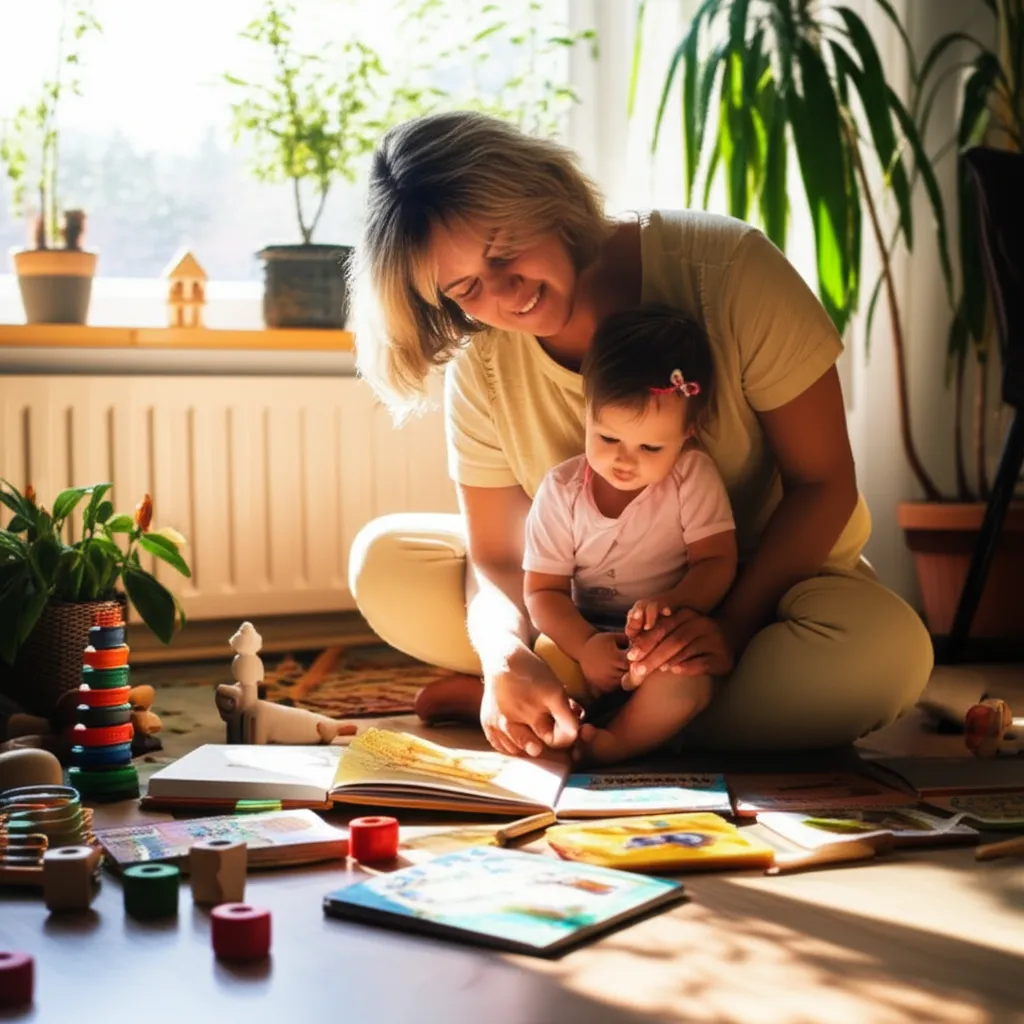
The months approaching a baby's first birthday bring a language explosion that changes the character of storytime. Your baby may be saying a few words, and they're understanding far more than they can say. When you read about a dog and they point out the window at your actual dog, that's a connection between story and life — the very heart of what literature-based education is about. At nine to twelve months, babies start to have clear book preferences and may bring you specific books to read. They'll "help" turn pages with more coordination, point with intention, and respond to questions about pictures ("Where's the cat?" gets a pointed finger). This is early comprehension in action. This is also when many parents start wondering about more structured approaches. Programs like Before Five in a Row are still a bit ahead, but this is a great time to start curating your book collection intentionally — gathering titles that you'll use for years as your literature-based journey grows.
Key Literature-Based principles at this age
Connect books to real life constantly. Read about animals, then go look at animals. Read about food, then eat that food. This builds comprehension bridges.
Ask simple questions during reading ("Where's the ball?") and celebrate responses. This is the earliest form of narration.
When your baby brings you a book, drop what you're doing and read it. This reinforces that their reading choices matter.
Start building a curated home library with titles you'll return to for years — quality over quantity.
A typical Literature-Based day
Literature-Based activities for Infant (9-12 Months)
Play "Where is it?" during reading — ask your baby to find objects on each page and celebrate when they point.
Connect books to real experiences: read about the park, then go to the park. Read about dogs, then pet a dog.
Let your baby "read" to you — hand them a familiar book and listen to their babbling narration.
Start simple songs and fingerplays that come from picture books ("Five Little Monkeys," "Wheels on the Bus").
Create a daily book basket with a small rotation of titles, changing a few out each week.
Visit the library regularly and let your baby pull books off the shelf to explore.
Parent guidance
Why Literature-Based works at this age
- Babies are making visible connections between books and real life, showing that comprehension is developing.
- Self-initiated reading (bringing books to you, "reading" independently) shows intrinsic motivation forming.
- Simple question-and-answer during reading lays the groundwork for the narration that's central to literature-based education.
- Bedtime reading routines are well-established, creating a daily literacy habit that requires no enforcement.
Limitations to consider
- Attention spans are still short and unpredictable — some days your baby wants five books, other days they won't sit for one.
- Babies this age are mobile and easily distracted, making focused storytime harder than when they were immobile.
- It's tempting to compare with peers who are using flashcard or phonics programs, but resist — literature-based learning is playing a longer game.
Frequently asked questions
When should I start Before Five in a Row?
The program recommends starting around age two, when your child can engage with the activities and discussions that go alongside each book. At nine to twelve months, you can certainly read the BFIAR book selections as regular read-alouds — many are wonderful titles — but save the structured activities for later. Right now, simple reading and real-world connections are your best tools.
My baby doesn't seem interested in books. Should I be concerned?
Not at this age. Some babies are more interested in physical exploration (crawling, climbing, pulling things apart) and less inclined to sit still for books right now. Keep books available, keep reading aloud even if they're playing nearby rather than in your lap, and don't force it. Many voracious readers were wiggly babies who preferred movement over sitting. Interest often surges between eighteen months and two years.
How important is it to read the "right" books?
At this age, there are no wrong books (within reason). The best book is the one your baby is interested in. That said, books with clear illustrations, simple text, and connections to real-world objects tend to get the most engagement. Avoid overly busy pages with tiny details — your baby's visual processing is still developing. Classic board books have stood the test of time for good reasons.