Enki Education Education for Infant (9-12 Months)
The nine-to-twelve-month period is a bridge between infancy and toddlerhood. Your baby may be standing, cruising furniture, perhaps taking first steps. Language comprehension is accelerating even if spoken words are few. This is when Enki's movement-centered philosophy becomes especially visible in daily life — your child is working on mastery of their body with the same intensity an older Enki student brings to mastering a skill through practice and repetition. Enki views this drive toward walking as more than a physical milestone. It's the child's first great act of independence, and the way you support it matters. Providing freedom to practice (not propping them up, not rushing them into shoes, not hovering with outstretched hands) respects the child's own developmental intelligence. This mirrors how Enki handles learning at every stage — immersion in experience first, with mastery emerging through the child's own effort. As your baby approaches their first birthday, you're also approaching the age where Enki's philosophy starts becoming more actionable. The toddler and preschool years bring more defined guidance about rhythm, story, and movement. If you've been building rhythmic habits and a calm home environment, you've already done the most important preparation.
Key Enki Education principles at this age
The drive toward walking is the child's first great mastery project — support it without rushing it
Repetition is how babies build skills — let them practice the same movements and explorations endlessly
Language is being absorbed rapidly; consistent songs, simple narration, and real conversation matter
Transitions (like weaning or shifting sleep patterns) benefit from the same rhythmic consistency Enki values at every age
A typical Enki Education day
Enki Education activities for Infant (9-12 Months)
Push toys and furniture cruising to support the transition to walking without rushing it
Water play — pouring, splashing, feeling temperature differences
Simple musical instruments — shakers, drums, wooden rhythm sticks
Stacking and nesting games with wooden blocks or cups
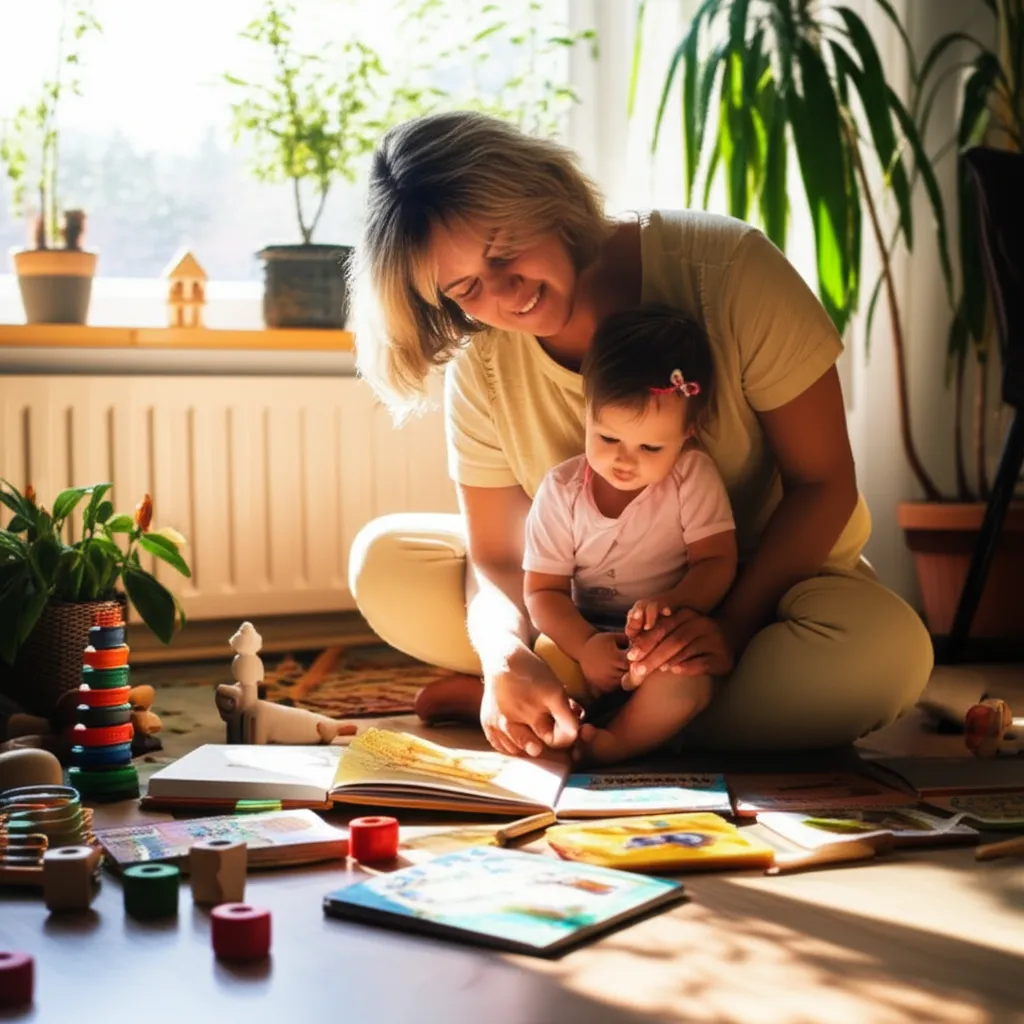
"Reading" together — simple board books with one image per page, named and discussed
Outdoor exploration in safe spaces — walking on grass, touching tree bark, watching birds
Parent guidance
Why Enki Education works at this age
- Enki's respect for the child's own developmental timeline reduces parental anxiety about milestones
- The emphasis on real-world experience over manufactured toys saves money and provides richer learning
- Daily rhythm and consistent routines help babies sleep better and transition more smoothly
- Parents are building habits that directly support the Enki kindergarten program when it begins
Limitations to consider
- No formal Enki materials exist — you're still applying philosophy rather than following a program
- Parents near high-achieving peer groups may feel insecure about the lack of structured learning
- The Enki community is focused on school-age families; infant/toddler parents can feel isolated
- No Enki-specific guidance on common challenges like sleep regression, biting, or separation anxiety
Frequently asked questions
Should I start any Enki-specific practices before my baby turns one?
The most Enki-aligned practice you can start is a daily movement and song ritual. Pick three or four folk songs from different traditions and sing them at the same time each day — maybe during morning dressing or before nap. This simple habit is the seed of the Movement Circle that becomes central to the Enki kindergarten program.
Is it too early to think about Enki's multicultural approach?
It's never too early to bring diverse music, stories, and cultural influences into your home. At this age, your baby absorbs the sounds, rhythms, and emotional qualities of whatever surrounds them. Playing West African drumming, Japanese folk songs, or South American lullabies alongside your own cultural music starts building the multicultural awareness Enki values — long before your child can understand the cultural context.
My baby wants to "help" with everything — is this something Enki encourages?
Absolutely. Enki considers participation in household life to be the ideal learning environment for young children. When your baby wants to bang pots while you cook, pull laundry from the basket, or sweep with a small broom, they're doing exactly what Enki's philosophy prescribes. The practical life of the home is the richest possible curriculum at this age.