Unit Study Education for Infant (6-9 Months)
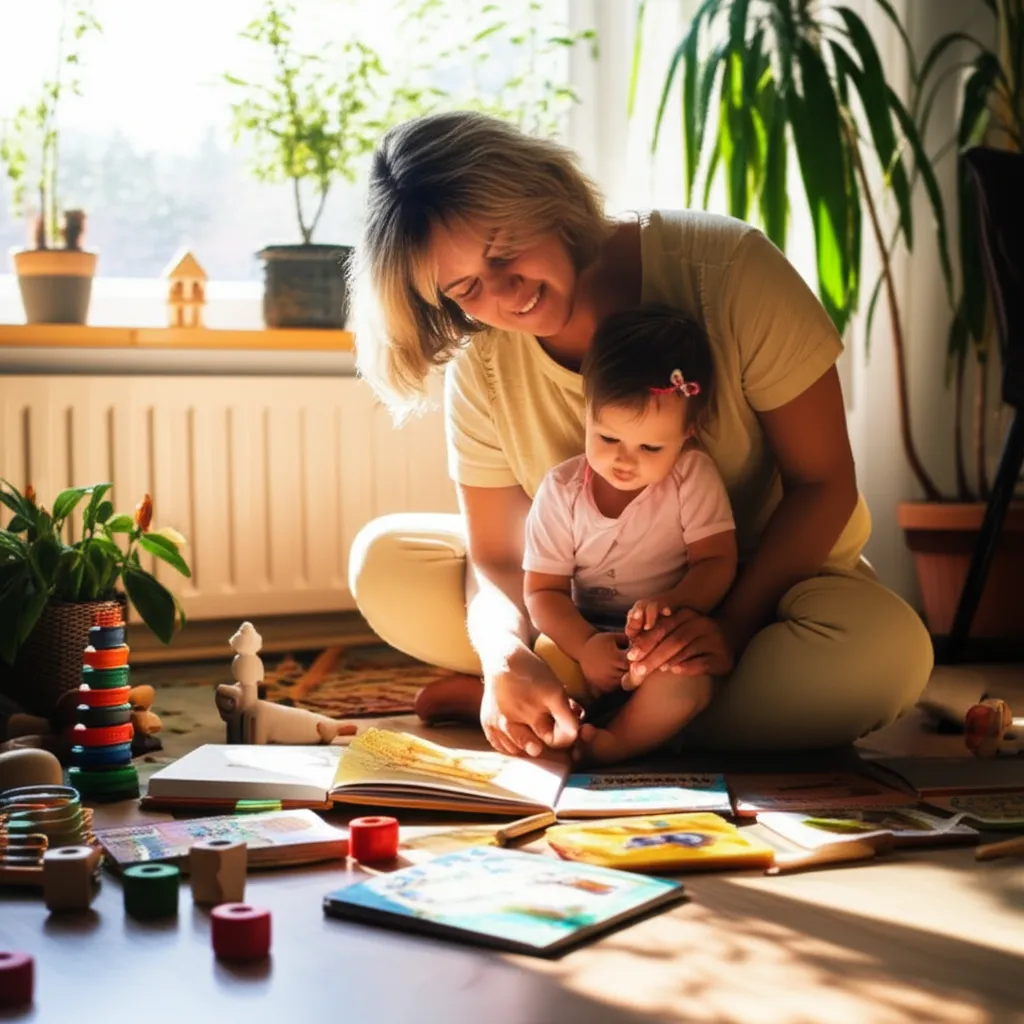
This is when things get exciting. Between six and nine months, babies are sitting up, babbling with intention, and developing clear object permanence. They'll look for a toy you've hidden under a cloth. They're starting to understand cause and effect — bang a drum and it makes noise, drop a spoon and someone picks it up. Unit studies can start to feel more tangible now. You can set up simple themed sensory stations on the floor where the baby sits and explores. A 'Farm' unit might include a rubber cow, a small container of oats to feel, a board book about farms, and a recording of animal sounds. The baby won't do all of these in sequence — they'll grab what interests them — but the themed environment creates connected exposure. This is also when stranger anxiety often appears, which means the baby is forming strong attachments. Being the person who introduces them to the wonders of the world through themed exploration strengthens your bond and builds their trust in learning as a safe, connected experience.
Key Unit Study principles at this age
Object permanence is developing — peek-a-boo games and hidden object activities fit naturally into unit themes
Sitting independently opens up floor-based sensory exploration stations organized around themes
Cause and effect understanding means simple interactive elements (flaps, buttons, drums) become meaningful
Babbling is intentional communication — respond to it as if the baby is commenting on the theme
Separation anxiety may make the baby clingy — keep unit activities in close physical proximity
A typical Unit Study day
Unit Study activities for Infant (6-9 Months)
Set up themed floor stations with 4-5 safe objects the baby can sit among and explore independently
Play peek-a-boo with themed objects — hide a rubber duck under a cloth for a 'Pond' unit
Offer cause-and-effect toys connected to themes — a drum for a 'Music' unit, a ball to roll for a 'Motion' unit
Do simple water or sand play related to the unit theme (always closely supervised)
Use meal time to connect food to themes — sweet potato for a 'Garden' unit, rice cereal for a 'Grains' unit
Attend local experiences connected to the theme — a trip to a farm, a walk to see construction equipment, a visit to a garden
Parent guidance
Why Unit Study works at this age
- Independent sitting allows for floor-based exploration stations that feel like real learning environments
- Object permanence opens up hiding games that add an element of surprise and discovery to themes
- Cause-and-effect understanding means interactive materials become genuinely engaging
- Increased alertness and curiosity make the baby an active participant in sensory exploration
Limitations to consider
- Everything still goes in the mouth — art supplies, small objects, and paper-based materials are unsafe
- The baby will not follow your planned sequence — they grab what they want and ignore the rest
- Stranger anxiety may limit outings that could enrich a unit (library story time, museum visits)
- Mobility is increasing but unsteady — setup must account for toppling, scooting, and rolling
Frequently asked questions
My baby ignores the themed materials and just wants to play with the basket they came in. What do I do?
Let them play with the basket. Narrate it: 'You're exploring the basket! It's woven — feel those ridges? People weave baskets from plants.' You've just connected a basket to botany, craftsmanship, and texture. The unit study approach isn't about controlling what the child engages with — it's about you being ready to make connections from whatever captures their attention.
How do I do unit studies with a baby this age AND older kids?
Use the same theme across ages. If the family is studying Ancient Egypt, the 8-year-old reads about pharaohs while the baby has a sensory basket with sand, a smooth stone 'pyramid,' and gold fabric. The baby absorbs the older kids' conversations and the general atmosphere. You're not running parallel programs — you're creating one thematic household where each child engages at their level.
Is it okay to repeat the same unit study theme month after month?
At this age, it's not just okay — it's beneficial. Babies learn through repetition. If your child lights up every time you bring out the 'Animals' basket, keep using it. You can rotate individual objects within the theme to keep it fresh for yourself while maintaining the familiar framework the baby enjoys.