Traditional Education for Infant (6-9 Months)
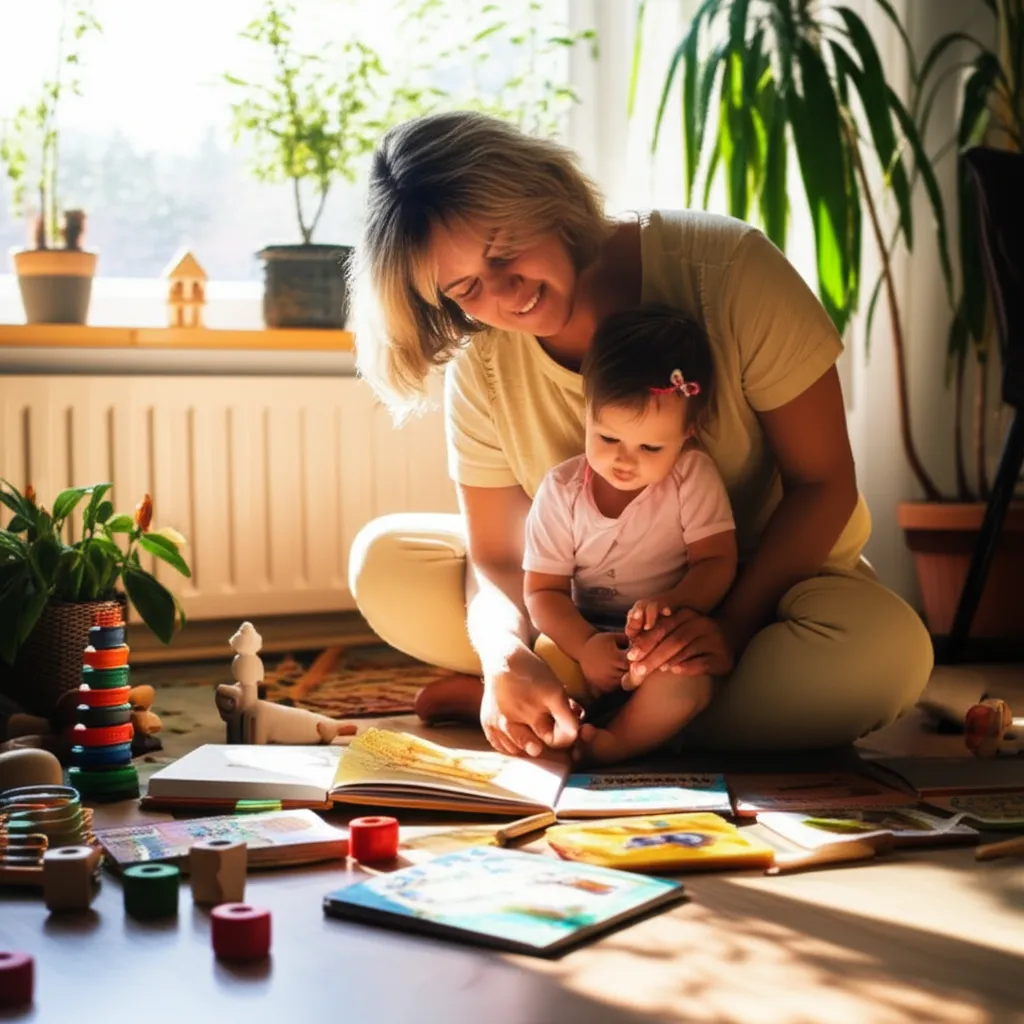
Between 6 and 9 months, babies are on the move — crawling, pulling up, exploring everything within reach. They're babbling with intention, showing preferences, and beginning to understand simple words like "no" and their own name. The world is opening up fast, and they want to touch all of it. For traditional homeschool families, this stage still falls well before any formal curriculum begins. But the learning happening right now is enormous. Your baby is building the neural pathways that will support reading, math, and logical thinking years from now. Every time they figure out how a toy works, drop something and watch it fall, or crawl toward something interesting, they're conducting their own experiments. The most useful thing you can do is create a safe, stimulating environment and keep talking. Narrate your day, label objects, respond to their babbling as if it's conversation. This is language acquisition in its purest form.
Key Traditional principles at this age
Creating a safe exploration space that encourages movement and curiosity
Responding to babbling and gestures to reinforce early communication
Introducing simple cause-and-effect toys that build early logical thinking
Maintaining consistent daily rhythms even as nap schedules shift
Reading aloud daily with durable books baby can hold and explore
A typical Traditional day
Traditional activities for Infant (6-9 Months)
Stacking and nesting cups — baby will mostly knock them down, and that's the point
Board books with lift-the-flap features for early interactive reading
Crawling obstacle courses using couch cushions and pillows
Simple musical instruments — shakers, drums, bells
Water play during bath time with pouring cups and floating toys
Finger foods that let baby practice pincer grasp — Cheerios, small soft pieces
Parent guidance
Why Traditional works at this age
- Baby is forming the attention and motor skills that structured learning will later build on
- Consistent routines at this age create expectations that support a school schedule later
- Older siblings doing traditional curriculum model focused work habits naturally
- Parents still have time to research without the pressure of actually teaching
Limitations to consider
- No traditional curriculum materials exist for this age — the approach can't start yet
- Mobility makes it harder to manage older children's school time with baby around
- The emphasis on structure doesn't help parents understand infant development stages
- Parents may feel they're 'wasting time' by not doing anything formal
Frequently asked questions
My baby is very active and won't sit still for books. Is that a problem?
Not at all. Many babies at this age want to chew the book more than look at it, and that's developmentally normal. Keep offering books — read while they're eating, nursing, or in a calm state. Short sessions (even 2 minutes) count.
Should I start teaching the alphabet now?
Singing the ABC song is fine as part of your general music and language exposure. But formal letter recognition is years away from being meaningful. Focus on building vocabulary through conversation and reading, not isolated skills.
What's the earliest I can start a traditional curriculum?
Most traditional publishers offer their earliest materials at age 2 (Abeka's 2-year-old program) or 3 (preschool). Some parents start informal workbook activities at 2.5-3, but readiness varies widely. There's no advantage to starting earlier.