Moore Method Education for Infant (6-9 Months)
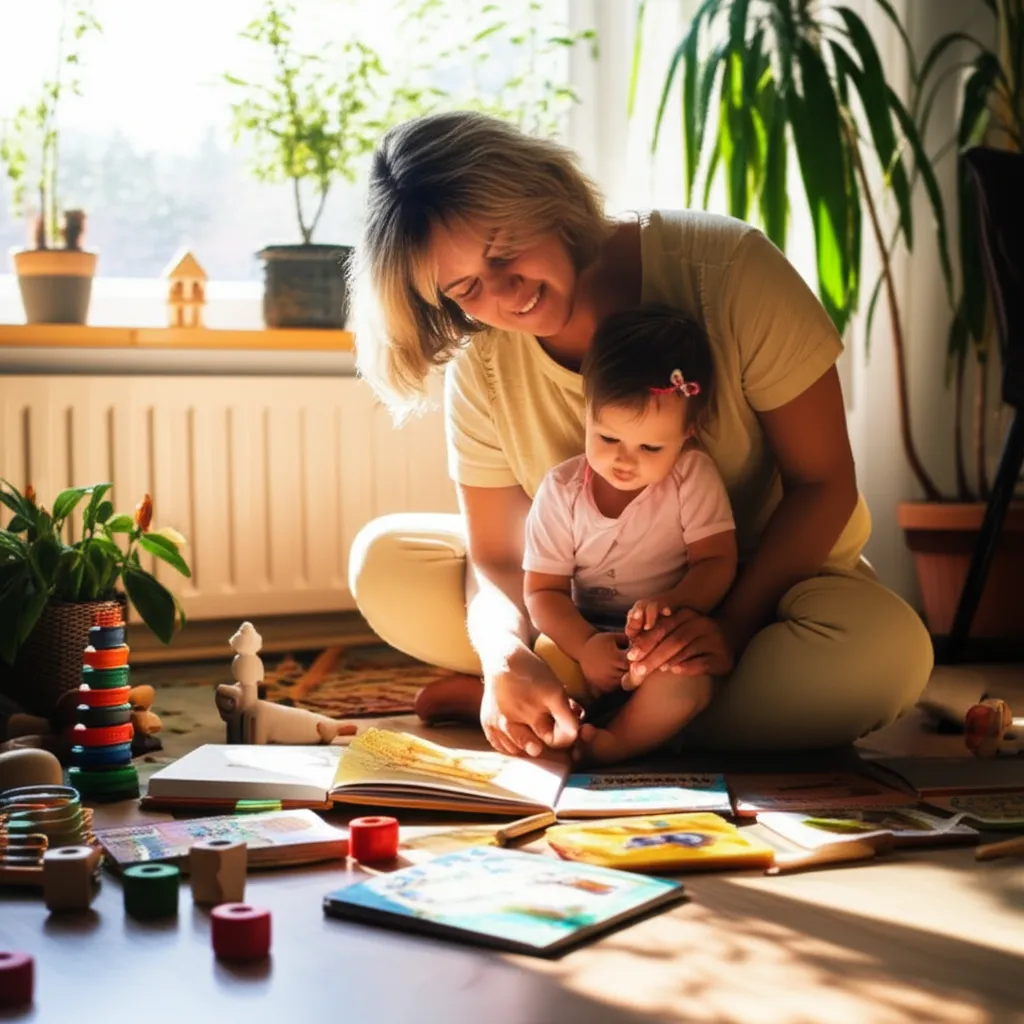
By six to nine months, babies are sitting up, possibly crawling, and getting deeply interested in everything within reach. They're picking up objects, dropping them, banging them together, and figuring out cause and effect. This is genuine learning — it just doesn't look like school. The Moore Formula at this stage is about creating a safe environment for exploration and then getting out of the way. The Moores believed that children are natural scientists from birth, and that the best thing adults can do is provide materials and freedom rather than direction. A six-month-old sorting through a basket of wooden spoons is doing important cognitive work. This is also when many parents start hearing about "early learning" programs, flash cards for babies, or iPad apps for infants. The Moore response is clear: these are unnecessary at best and harmful at worst. Real learning at this age comes through hands, mouths, and movement — not screens or structured lessons.
Key Moore Method principles at this age
Safe, open environments for crawling and exploring are the real classroom
Cause-and-effect play (dropping, banging, stacking) is genuine cognitive development
Screens and structured learning programs are inappropriate at this age
Following the baby's curiosity teaches them that exploration is valued
Language develops through being spoken to in real conversation, not drills
A typical Moore Method day
Moore Method activities for Infant (6-9 Months)
Safe floor exploration with varied textures (wood, fabric, metal, rubber)
Cause-and-effect toys — nesting cups, stacking rings, balls that roll
Water play during bath time — pouring, splashing, floating objects
Outdoor sensory exploration — grass, sand, leaves, sticks
Simple peek-a-boo and hiding games (object permanence development)
Sharing meals and letting baby explore food textures
Parent guidance
Why Moore Method works at this age
- Encourages a rich sensory environment without expensive educational toys
- Validates exploratory play as real, important learning
- Protects babies from screen time and overstimulation
- Builds a parent mindset of observation rather than direction
Limitations to consider
- Requires significant baby-proofing effort to allow free exploration safely
- Can be hard for parents in small spaces to create open exploration areas
- No structured social component — some parents want baby groups for their own sanity
Frequently asked questions
My baby loves screens. Is a little educational TV okay?
The Moores were writing before tablets and smartphones, but their philosophy is unambiguous: real, physical, sensory experience is what builds brains at this age. The American Academy of Pediatrics also recommends no screen time before 18 months (except video calls). A baby who "loves" screens is responding to rapid visual stimulation, not learning from it.
Should I be teaching them to sign or say words?
You can model signs and words naturally — say "milk" when offering milk, wave when saying bye-bye. But the Moore approach wouldn't have you running drills. Language emerges from immersion in real communication. Talk to your baby constantly about what you're both experiencing, and they'll develop language when their brain is ready.
Everyone else's baby seems more advanced. Should I be worried?
This is exactly the pressure the Moores spent their careers pushing back against. Babies develop on vastly different timelines, and early milestones don't predict later success. The child who crawls at 7 months isn't smarter than the one who crawls at 10 months. Trust the process and your pediatrician for genuine concerns.