Enki Education Education for Infant (6-9 Months)
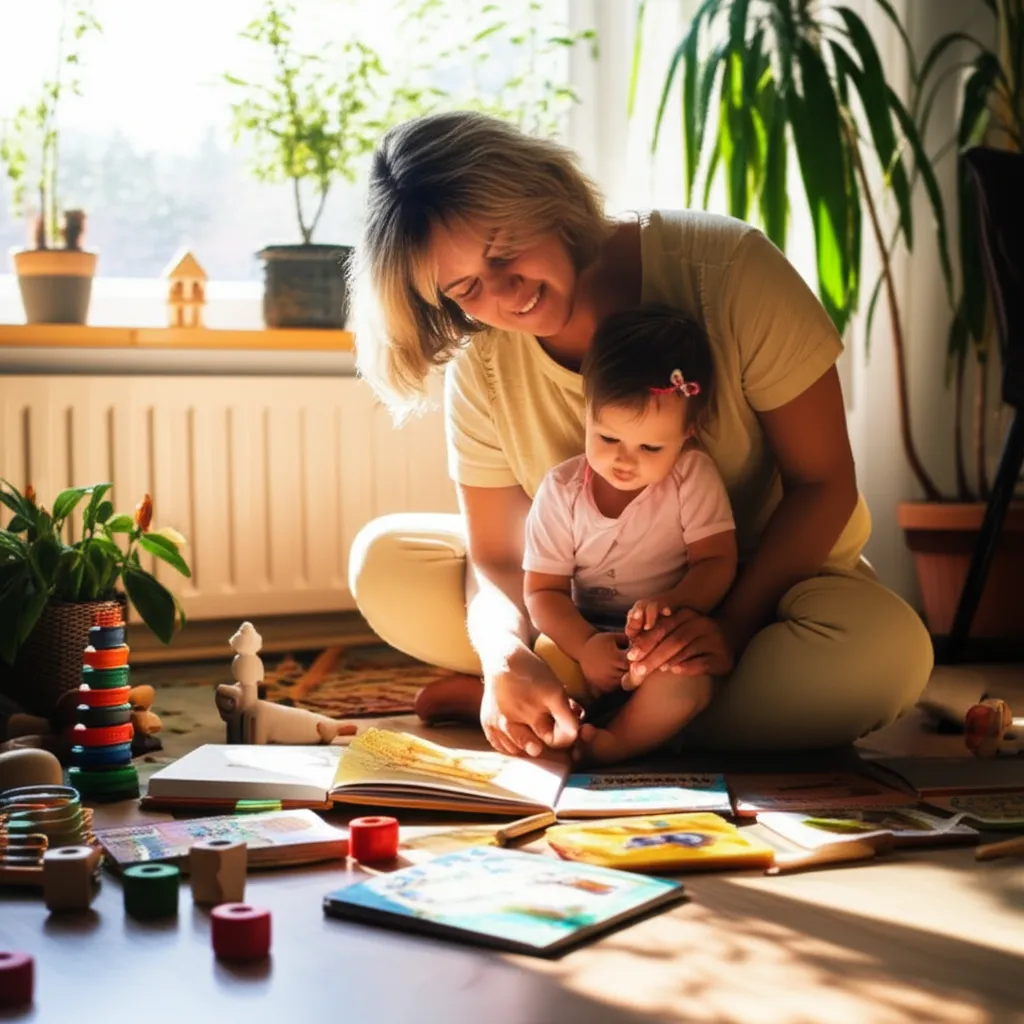
Between six and nine months, babies are becoming mobile — crawling, pulling up, exploring everything they can reach. This is a period of intense physical mastery, and Enki's emphasis on movement as the foundation of learning is directly relevant. Your baby is building the neural pathways that will support all later cognitive work through every crawl across the floor and every object they pick up and examine. Enki's philosophy at this stage centers on the environment. Since the baby absorbs everything around them, the home itself becomes the curriculum. Natural materials, real objects (wooden spoons, metal bowls, fabric scraps), and the sensory experience of daily life provide richer learning than any manufactured baby toy. This connects to Enki's broader commitment to authenticity — real stories from real cultures, real materials from the natural world, real movement rather than contrived exercises. The meaning dimension of Enki's three-fold path deepens as babies at this age begin to understand language, respond to their name, and show clear preferences. The stories you tell, the songs you sing, and the emotional quality of your interactions are all laying groundwork for the narrative-rich curriculum that defines Enki's later years.
Key Enki Education principles at this age
Crawling and physical exploration build the neural foundation for later academic learning
Real objects and natural materials are preferred over plastic toys and manufactured stimulation
Language is absorbed through daily conversation, singing, and the beginnings of storytelling
The home environment itself is the curriculum — keep it simple, safe, and rich in sensory texture
A typical Enki Education day
Enki Education activities for Infant (6-9 Months)
Setting up safe exploration spaces with baskets of natural objects — wooden spoons, fabric, shells
Outdoor sensory experiences — touching grass, feeling rain, watching animals
Simple clapping and bouncing games with folk song accompaniment
"Helping" with household tasks — banging pots while a parent cooks, playing with water during dishes
Board books with simple, realistic images — not flashy or cartoonish
Crawling courses made from cushions and household objects to encourage physical problem-solving
Parent guidance
Why Enki Education works at this age
- The emphasis on natural materials and real-world exploration is well-supported by developmental research
- Encouraging crawling and free movement (rather than containers and walkers) supports healthy physical development
- The household-as-curriculum approach is both economical and genuinely enriching
Limitations to consider
- Still no Enki-specific materials or community support for this age
- Parents may find it hard to distinguish Enki's infant philosophy from general attachment parenting advice
- The "keep it simple" message can feel limiting if you're eager to start a more defined educational path
- No guidance on specific developmental milestones or what to do if your baby seems behind
Frequently asked questions
My baby isn't crawling yet at 8 months — should I be worried from an Enki perspective?
Enki isn't a developmental assessment framework. While the philosophy values physical movement, it also trusts that children develop on their own timelines. If you're concerned about motor milestones, talk to your pediatrician. What Enki would say is: give your baby plenty of floor time and opportunity to move, and don't rush them into sitting devices or walkers that bypass natural movement patterns.
Can I start any multicultural music or stories at this age?
You can sing to your baby from any musical tradition you enjoy. Simple folk songs from different cultures, sung by you rather than played from a speaker, are perfectly aligned with Enki's approach. Your baby won't understand the stories yet, but they're absorbing the melodic patterns, rhythms, and emotional qualities of your voice. That foundation matters.
How does Enki's approach to this age differ from Montessori?
Montessori offers more structured guidance for infants — prepared environments, specific materials, and detailed observation protocols. Enki is more hands-off at this stage, trusting the home environment and parent-child relationship to do the work. If you want concrete infant guidance now with a plan to transition to Enki later, there's no conflict in borrowing Montessori's infant ideas.