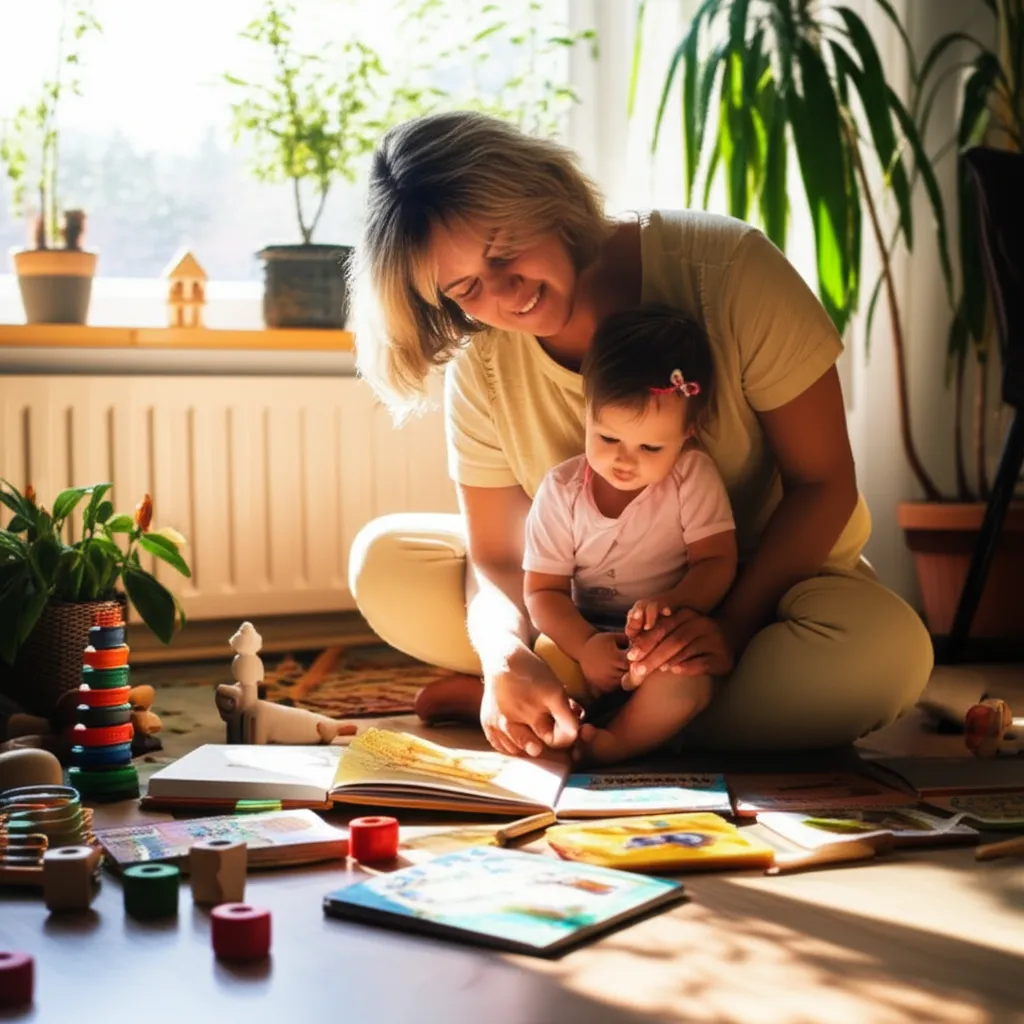
Unschooling Education for Infant (3-6 months)
At three to six months, babies wake up to the world. They're grabbing things, rolling, laughing, and starting to show preferences. An unschooling approach here means following those preferences instead of redirecting them toward what a developmental chart says they should be interested in. This is the age where well-meaning relatives start gifting "educational" toys with buttons that play the alphabet. The unschooling parent notices that the baby is more interested in the cardboard box, the wooden spoon, and the sound of crinkling paper. Real objects from real life are more engaging than anything designed to teach. Your baby is already a scientist. They're running experiments: What happens when I drop this? What does this taste like? Can I get that shiny thing if I reach far enough? Your job is to make the laboratory safe and interesting, not to design the experiments.
Key Unschooling principles at this age
Follow the baby's gaze and interest rather than directing their attention
Real household objects are better learning tools than most baby products
Physical exploration (mouthing, grabbing, dropping) is how they process information
Don't interrupt concentration; when a baby is focused on something, let them be
Avoid screen-based learning tools despite marketing claims
A typical Unschooling day
Unschooling activities for Infant (3-6 months)
Exploring safe household objects with different textures, weights, and sounds
Being worn in a carrier during errands, walks, and household tasks
Tummy time with interesting things placed just out of reach to encourage movement
Water play during bath time with cups, spoons, and splashing
Watching and listening to the natural environment outdoors
Parent guidance
Why Unschooling works at this age
- Babies are naturally self-directed learners; you're working with the grain
- Low social pressure since most people agree babies should play freely
- Builds the habit of observation that unschooling parents need long-term
- Inexpensive since the best materials are already in your house
Limitations to consider
- Hard to distinguish unschooling from any other attentive parenting approach at this stage
- Parents who want to feel like they're actively educating may feel like they're not doing enough
- No community infrastructure for unschooling families with babies specifically
- The philosophy doesn't address the real pediatric concerns of this age (feeding, sleep, milestones)
Frequently asked questions
My baby isn't hitting milestones on the chart. Should I intervene?
Unschooling trusts the child's timeline, but it doesn't mean ignoring medical concerns. Developmental delays can indicate real issues that benefit from early intervention. Trust your baby AND trust your instincts. If something seems wrong, get it checked. Unschooling isn't anti-medicine.
Should I avoid all educational toys?
Not necessarily. Some are genuinely interesting to babies. The point is to let the baby choose what they engage with rather than pushing specific toys because the box says it teaches something. If your baby loves the light-up piano, great. If they'd rather chew on a wooden block, that's equally valid.
How do I explain this to family members who keep buying learning toys?
You probably don't need to yet. Thank them for the gift, put it in the rotation, and let the baby decide. The philosophical battles come later when you're not enrolling in preschool. Save your energy.