Enki Education Education for Infant (3-6 Months)
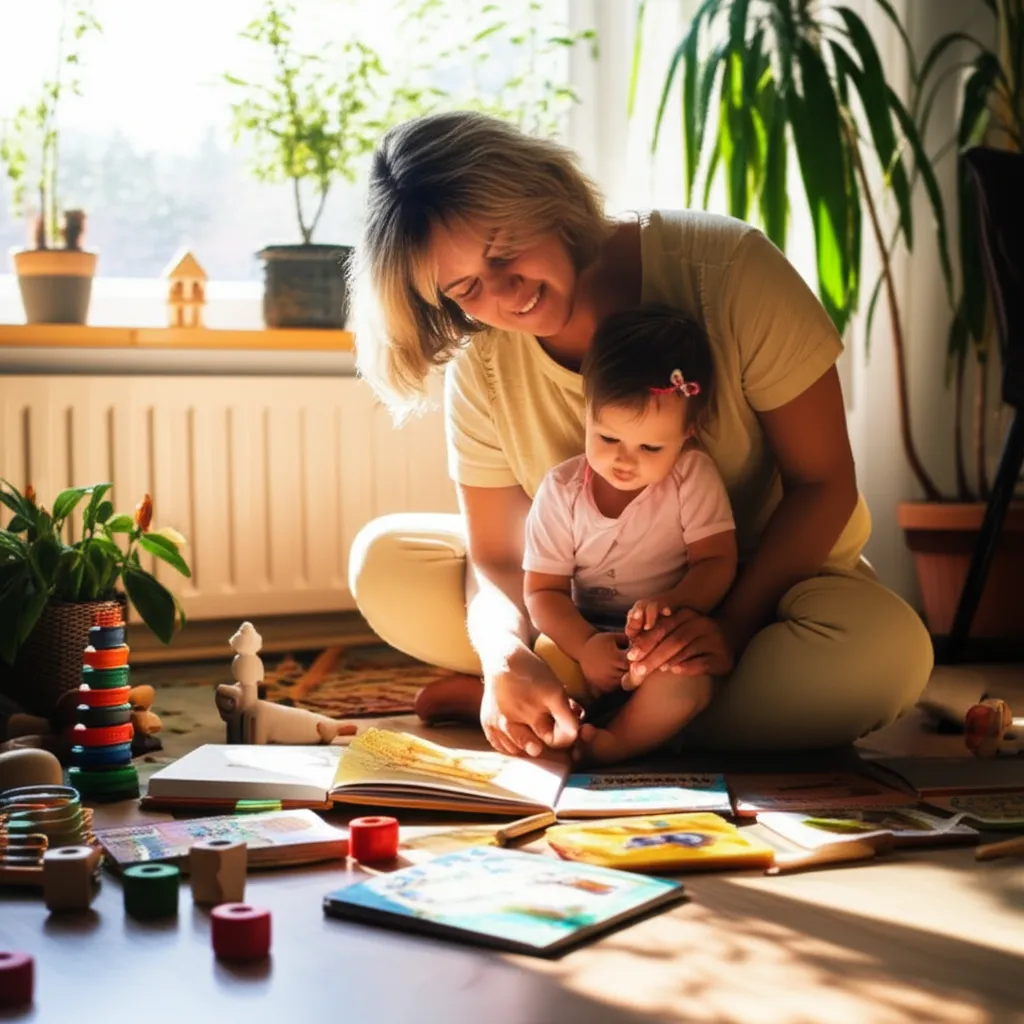
At three to six months, your baby is waking up to the world — smiling socially, reaching for objects, rolling, and beginning to vocalize. Enki Education still doesn't offer formal materials for this age, and the philosophy remains clear: the infant is best served by ordinary home life, not structured learning. But the three-fold path is already present in your baby's development. Movement is exploding — rolling, reaching, grasping. Meaning comes through the growing relationship with caregivers and the predictable patterns of each day. Mastery shows up in the baby's determined practice of new physical skills. Enki's Eastern movement influences are relevant here in spirit if not in practice. The idea that physical development is the foundation of all later learning — cognitive, emotional, social — means that giving your baby plenty of floor time, freedom to move, and unhurried physical exploration is the most Enki-aligned thing you can do. This isn't a passive philosophy; it's an active choice to protect space for natural development. The rhythm of the household continues to be the primary "curriculum." Consistent daily patterns — morning songs, afternoon walks, evening quiet — give the infant a felt sense of time and predictability that Enki considers the bedrock of healthy development.
Key Enki Education principles at this age
Physical movement is the foundation of all later learning — give generous floor time and freedom to move
Daily rhythm gives the infant a felt sense of security and predictability
The parent's own presence and calm is more important than any activity or toy
Sensory experiences should be real and natural — textures, sounds, light — not manufactured stimulation
A typical Enki Education day
Enki Education activities for Infant (3-6 Months)
Generous floor time on a blanket for rolling, reaching, and exploring movement
Carrying baby during household tasks — cooking, cleaning, gardening — so they absorb daily rhythms
Singing simple folk songs and lullabies, repeating the same ones daily
Offering natural materials to grasp: wooden rings, silk scarves, smooth stones (supervised)
Outdoor time in natural settings — feeling wind, watching leaves, hearing birds
Gentle bouncing and rocking games that support vestibular development
Parent guidance
Why Enki Education works at this age
- Protects against the pressure to over-stimulate with toys, screens, and "baby enrichment" programs
- The emphasis on floor time and natural movement aligns with current developmental science
- Building rhythm now makes the transition to Enki's structured kindergarten program much smoother
- Parents who practice daily singing develop a repertoire they'll use throughout the Enki years
Limitations to consider
- No Enki-specific materials or guidance exist for this age — you're applying the philosophy on your own
- Parents who want a structured infant program will find Enki frustratingly hands-off
- The community support is geared toward families with older children
- If this is your first child, "just do ordinary life" can feel unhelpfully vague
Frequently asked questions
My baby seems bored — should I be providing more stimulation?
What looks like boredom in an infant is often processing time. Enki's philosophy trusts that babies need space to integrate what they're experiencing. A baby staring at light on the wall or their own hands is doing important developmental work. Add variety through real-world experiences — a walk outside, time in the kitchen — rather than through toys or screens.
Should I be doing baby yoga or infant movement classes?
Enki wouldn't discourage gentle movement with your baby, but it also wouldn't frame it as necessary. The Eastern movement traditions that inform Enki (yoga, qigong, martial arts) are meant for children who can participate actively, which comes later. For now, natural movement — rolling, reaching, being carried — is the full program.
When should I start thinking about buying Enki curriculum?
The earliest Enki materials are designed for children around 4.5 to 5 years old (the kindergarten program). You have years before you need to purchase anything. Use this time to explore Enki's philosophy, connect with the online community, and build the rhythmic home life that will support the curriculum when the time comes.