Infant
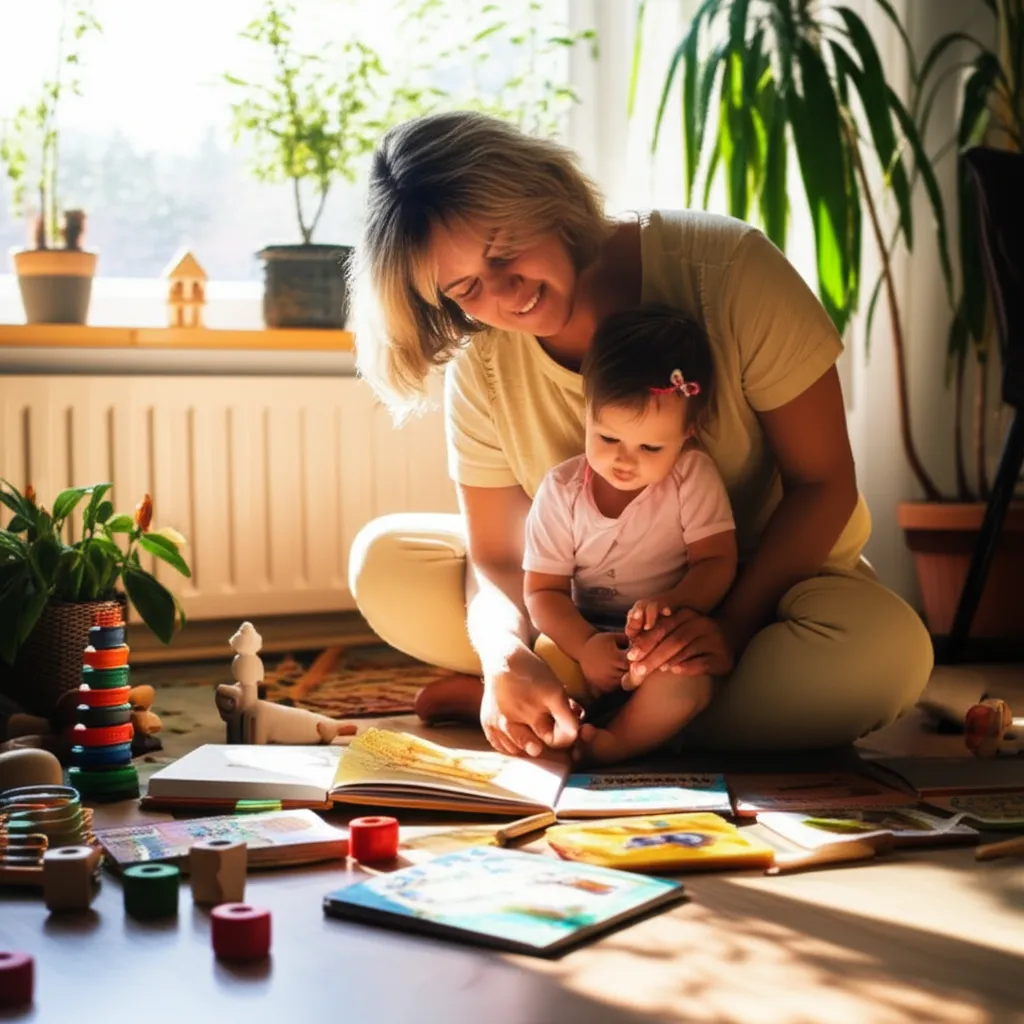
Between three and six months, babies become active participants in their environment. They reach for objects, laugh socially, and begin experimenting with cause and effect. This is when the world transitions from something that happens to the baby into something the baby acts upon.
Between three and six months, a dramatic shift occurs: your baby transforms from a relatively passive observer into someone who reaches out and acts on the world. This is the period when intentional grasping develops, rolling begins, and cause-and-effect thinking emerges. A baby who bats at a rattle and hears it shake is learning one of the most fundamental principles of physics — that their actions produce predictable results. Socially, this is when the relationship deepens beyond basic needs. Your baby laughs, initiates interaction by cooing and reaching for your face, and may show the first signs of stranger awareness. Binocular vision is maturing, giving the baby depth perception and the ability to track objects smoothly across their field of view. Tummy time during these months is building the core strength that will support sitting, crawling, and eventually walking. The baby's hands are open more often now, and they are beginning to transfer objects from one hand to the other. Every waking moment is a science experiment conducted with total seriousness and delight.
Key Milestones
- Reaches for and grasps objects intentionally
- Rolls from back to tummy and begins supported sitting
- Babbles with vowel sounds and responds to own name
- Explores objects by mouthing and shaking
- Shows social smiling and laughs in response to interaction
How Children Learn at This Age
Learns through repetitive cause-and-effect exploration
Developing binocular vision enables depth perception and spatial awareness
Responds to musical patterns and rhythmic speech
Benefits from tummy time and unrestricted floor movement
Attention spans last 2-3 minutes with a single object
Recommended Approaches
- Montessori (grasping toys, simple rattles, movement freedom on floor mat)
- RIE (uninterrupted play, narrating the baby's actions)
- Sensory-rich environments with varied textures and sounds
What to Expect
How to Support Learning
Best Educational Approaches
Frequently Asked Questions
How much tummy time does my baby need?
Aim for a total of 60 to 90 minutes spread throughout the day, not all at once. Start with whatever your baby tolerates — even two or three minutes at a time counts — and gradually increase. Tummy time builds the neck, shoulder, and core muscles needed for rolling, sitting, and crawling. If your baby hates it, try tummy time on your chest while you recline, or place a rolled towel under their armpits for support. Getting down on the floor face-to-face with your baby makes it more social and tolerable for them.
Should I use a baby activity center or jumper?
Most physical therapists and developmental specialists recommend limiting or avoiding these devices. While they keep the baby entertained, they can reinforce poor posture and movement patterns — particularly tip-toe standing in jumpers. Babies develop best when they can move freely on a flat surface, working through the natural progression of rolling, pivoting, and eventually crawling. If you need a safe containment spot for a few minutes, a playpen with a flat floor is a better choice than a device that holds the baby in an upright position they cannot achieve on their own.
When should I introduce solid foods?
Most pediatric organizations recommend around six months, when the baby can sit with support, has lost the tongue-thrust reflex, and shows interest in food. Some families begin as early as four months on pediatric advice. Whether you choose traditional purees or baby-led weaning (offering soft finger foods the baby self-feeds), the introduction of solids is a rich sensory and motor learning experience. Letting the baby explore food with their hands, even if it is messy, builds fine motor skills and supports healthy eating habits long-term.
Is my baby overstimulated or understimulated?
Signs of overstimulation include turning the head away, arching the back, fussiness after activity, avoiding eye contact, and hiccupping. Signs of understimulation include fussiness that resolves with interaction, staring blankly for long periods, and reaching toward people or objects with eagerness. Most parents in modern environments err on the side of overstimulation — too many toys, too much noise, too many outings. When in doubt, simplify. A calm room with one or two objects and a present caregiver is usually the right environment.
Do babies this age need other babies to socialize with?
Not really. Babies between three and six months are primarily interested in their caregivers and in exploring objects. They may watch other babies with curiosity, but genuine social interaction between peers does not emerge until well into toddlerhood. Your baby benefits most from one-on-one interaction with responsive adults. If you enjoy parent-baby groups for your own social needs, that is a great reason to go — but do not feel that your baby is missing a developmental need by not being around other infants.
How many toys does my baby actually need?
Far fewer than you think. Three to five well-chosen objects rotated every one to two weeks provide plenty of stimulation. A wooden rattle, a soft fabric ball, a ring or teether, and a crinkle cloth cover the major sensory and motor needs of this age. Too many toys scattered around actually reduce focus and deep exploration. The Montessori principle of rotating a small number of objects keeps things fresh without overwhelming the baby's attention. Kitchen items — wooden spoons, stainless steel bowls, silicone spatulas — are often more interesting to babies than purpose-built toys.