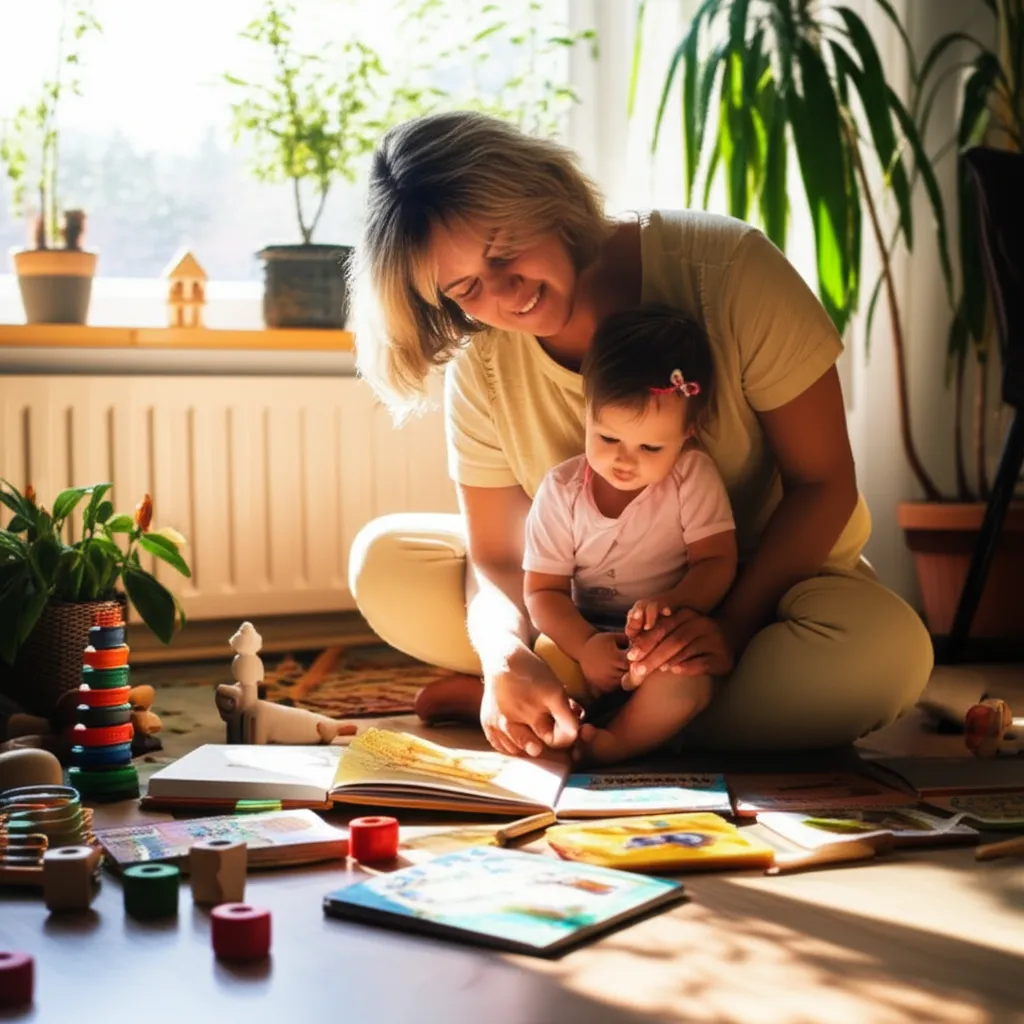
Virtual Academy Education for Four Year Old
Four-year-olds are chatterboxes, storytellers, and question machines. They can hold real conversations, negotiate with peers, write some letters (often their name), count with purpose, and sustain attention on an interesting activity for 10-20 minutes. They're ready for more structured learning experiences, though "structured" still means play-based at this age. Virtual pre-K programs are more widely available for four-year-olds than for threes. Several state-funded virtual schools offer pre-K at this age, and private options are plentiful. If you're planning to go the virtual academy route for kindergarten, a pre-K year can serve as a useful trial run — for both you and your child. The key question at this age isn't whether your child can handle virtual school (most can, with support) but whether the daily routine of virtual school fits your family's life. The learning coach commitment is real, and the schedule, even in flexible programs, shapes your entire day.
Key Virtual Academy principles at this age
Four-year-olds can sustain attention for 10-20 minutes on engaging activities
Pre-writing and pre-reading skills are emerging naturally through play and exposure
Virtual pre-K serves as a useful trial run for kindergarten enrollment
The learning coach schedule shapes the family's entire daily rhythm
Social development still requires real-time, in-person interaction alongside any virtual components
A typical Virtual Academy day
Virtual Academy activities for Four Year Old
Writing practice — name writing, letter tracing, drawing shapes
Counting collections — sorting and counting buttons, coins, or stones
Building projects — Legos, train tracks, blanket forts
Cooperative games and early board games with simple rules
Science exploration — magnets, magnifying glasses, planting seeds
Storytelling — making up stories, acting them out, drawing them
Parent guidance
Why Virtual Academy works at this age
- Attention span is now long enough for short, structured virtual sessions
- Pre-K enrollment provides a low-stakes trial of the virtual academy model
- Children can begin developing basic computer interaction skills with guidance
- State-funded virtual pre-K options are available in more states at this age
Limitations to consider
- Children still can't manage technology independently — every session needs parent help
- Virtual social interaction doesn't satisfy the full social-emotional needs of a four-year-old
- Screen fatigue is real, even in short sessions
- The most meaningful learning still happens through hands-on play, not screen instruction
Frequently asked questions
Should we do virtual pre-K to prepare for virtual kindergarten?
It helps but isn't required. Virtual pre-K familiarizes your child with video-based instruction, the learning management system, and the daily rhythm of virtual school. If you're confident about virtual kindergarten, a pre-K year smooths the transition. If you're still deciding, it gives you firsthand experience. But children who skip virtual pre-K and go straight to virtual kindergarten do fine with a few weeks of adjustment.
My four-year-old can already read. Should we skip to kindergarten curriculum?
Early reading is wonderful, but academic acceleration in early childhood is rarely beneficial. A four-year-old who can decode words may not have the fine motor skills for writing, the social maturity for a kindergarten classroom, or the attention span for a longer school day. Let them enjoy their pre-K year. They'll be challenged enough by the non-academic components: following multi-step directions, working with peers, managing transitions.
How do I balance screen time from virtual school with recreational screen time?
The AAP recommends no more than one hour of screen time per day for ages 2-5, not counting video calls with family. Virtual pre-K sessions count toward that limit. If school uses 30-45 minutes of screen time, you'll want to be mindful about additional recreational screens. Some families count school screen time separately; the AAP doesn't make that distinction yet. Use your judgment based on your child's behavior and well-being.