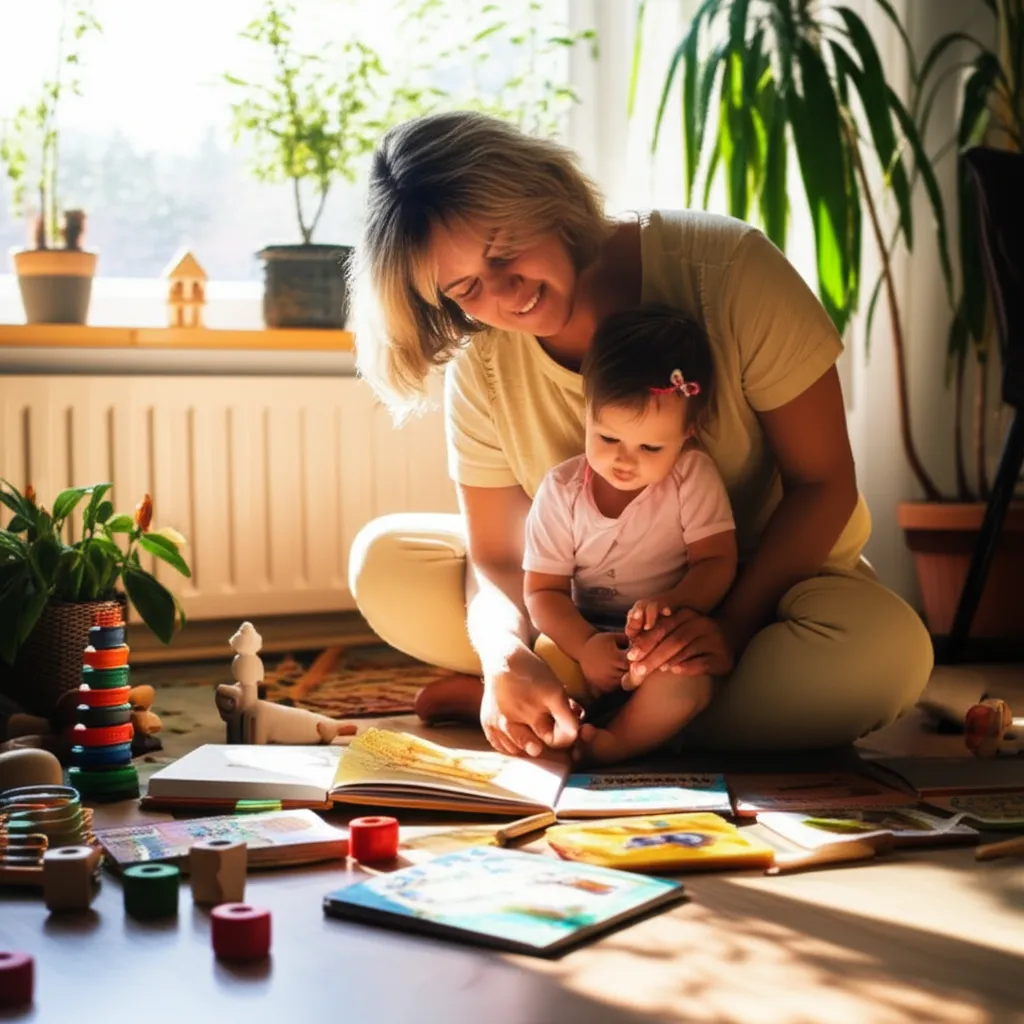
Democratic Education for Five Year Old
Five is the conventional starting age for formal schooling in many countries, which makes it a philosophical crossroads for families drawn to democratic education. Conventional kindergarten introduces imposed schedules, assigned activities, and teacher-directed learning. Democratic education says none of this is necessary — and that it may be actively harmful to a child who's thriving in freedom. At Sudbury Valley School in Massachusetts, five-year-olds spend their days however they choose. Some play outside for hours. Some find an older student who's reading and ask to learn. Some paint, build, argue, negotiate, and explore the woods. None of them sit in a circle for calendar time or practice writing their names on dotted lines. And yet, every longitudinal study of Sudbury Valley graduates shows they go on to successful, fulfilling lives — college, careers, relationships — at rates comparable to or better than conventionally-schooled peers. What makes five special in a democratic environment is the child's growing capacity for sustained projects, real friendships, and genuine contribution to a community. A five-year-old at Brooklyn Free School might spend weeks building an elaborate structure, organizing a game with rules, or investigating a question about how something works. This is self-directed learning in its purest form.
Key Democratic principles at this age
Resisting the cultural pressure to begin formal academics at five — democratic education holds that children will learn to read, write, and do math when they're ready, not when they turn five
Supporting the child's growing capacity for long-term projects by providing materials, space, and time without imposing outcomes
Allowing real participation in community governance, whether at a democratic school or in family and neighborhood contexts
Trusting the child's social development by stepping back from peer conflict mediation and letting children practice resolution themselves
Providing access to the real world — not a child-sized simulation — through outings, conversations with adults, and meaningful work
A typical Democratic day
Democratic activities for Five Year Old
Multi-day projects: building a clubhouse, creating a comic, growing a garden, inventing a game with written rules
Reading exploration if interested — being read to, looking at books independently, asking about signs and labels, no pressure if not
Organized games with peer-created rules, requiring negotiation, fairness, and adjustment
Real-world outings: grocery shopping, post office, nature trails, museums, community events — with the child as a participant, not a passenger
Mentoring younger children, which builds empathy, leadership, and a deeper understanding of what they already know
Democratic governance: participating in family meetings, school meetings, or co-op decisions with a genuine vote
Parent guidance
Why Democratic works at this age
- Five-year-olds in democratic environments often show advanced social skills, independence, and creative thinking compared to peers in structured programs
- The absence of academic pressure protects the child's natural love of learning at a critical developmental moment
- Children who've been in democratic settings since toddlerhood are visibly confident in their ability to make choices and manage their time
- Mixed-age interaction at this age gives the child both role models and opportunities to mentor, accelerating social and cognitive growth
Limitations to consider
- If the child will transition to conventional school, the gap between their experience and classroom expectations can cause friction
- Some five-year-olds who've had total freedom show frustration when encountering unavoidable constraints (medical appointments, family obligations, others' schedules)
- Without a school community, ensuring adequate social interaction requires significant parental effort in scheduling and logistics
- Democratic education's refusal to push academics means some five-year-olds won't read yet — which is developmentally normal but socially conspicuous
Frequently asked questions
My five-year-old can't read yet. All their friends in kindergarten can. Should I be concerned?
No. Reading readiness varies enormously among five-year-olds, and early reading doesn't predict later academic success. At Sudbury Valley, some children learn to read at four and some at twelve — and by fourteen, you can't tell who started when. What matters is that your child sees people reading, has access to books, and isn't pressured. When their brain is ready and their interest is sparked, reading will come. Often it comes quickly once it starts, precisely because there's been no struggle or negative association.
How do I handle mandatory schooling laws?
This varies by state and country. In most US states, compulsory education begins between ages five and eight. Homeschooling is legal in all fifty states, though requirements differ. Some families register as homeschoolers and document their child's self-directed learning. Some enroll in democratic schools that meet legal requirements. Research your state's laws early. Organizations like the Alliance for Self-Directed Education and homeschool legal defense groups provide guidance. Democratic education is fully compatible with legal compliance — it just looks different from conventional schooling.
What if my child wants to go to regular school like their friends?
Take it seriously. Democratic education means respecting the child's choices, and wanting to attend school is a valid choice. Have an honest conversation about what school involves — scheduled days, assigned work, less free time. If they still want to try, let them. Some children thrive in conventional settings, and a child who's spent years in a democratic environment will bring strong self-advocacy skills. If it doesn't work out, they'll know they chose it and they can choose differently.