Sensory
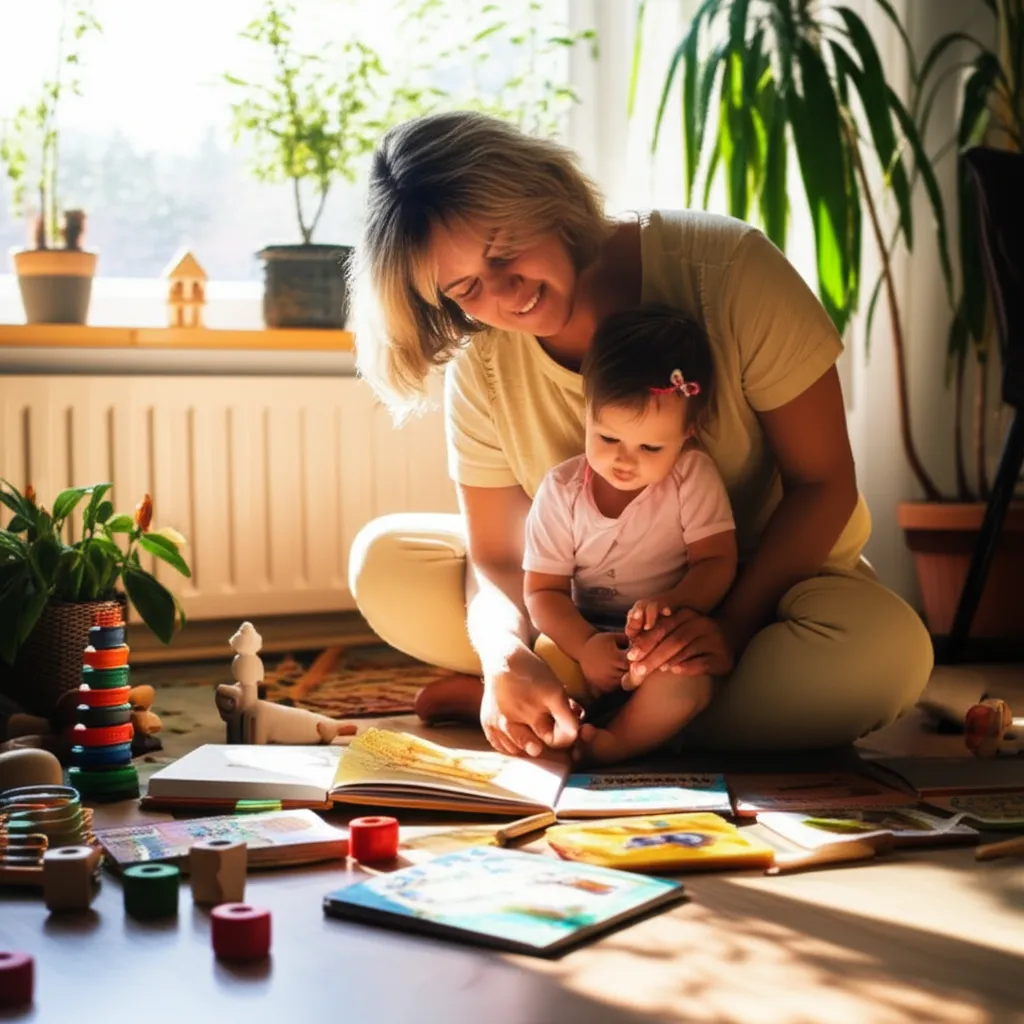
Sensory activities engage multiple senses simultaneously, creating rich neural connections that strengthen memory, attention, and cognitive processing. From toddler sensory bins filled with rice and hidden objects to science experiments that involve touch, smell, and sight, sensory-rich learning honors the fact that the brain learns best through the body. Sensory activities are particularly valuable for children with sensory processing differences, providing both regulation and education simultaneously.
The brain does not learn through the mind alone — it learns through the body. Every sensory experience creates neural connections: the texture of sand running through fingers, the smell of vinegar in a science experiment, the sound of rice pouring into a metal bowl, the sight of colors mixing in water. These multi-sensory experiences create richer, more durable memories than single-channel inputs like reading or listening because they activate multiple brain regions simultaneously, creating redundant pathways to the same knowledge. For young children especially, sensory learning is not optional — it is how their brains are designed to process information. A toddler who explores a sensory bin filled with rice and hidden objects is developing fine motor control (grasping, scooping, pouring), language (describing textures, naming objects), mathematical thinking (comparing quantities, sorting), scientific observation (noticing properties of materials), and emotional regulation (the calming effect of repetitive sensory input) simultaneously. This is not play in opposition to learning — it is the most efficient form of learning available for a developing brain. Sensory activities also serve a regulatory function: children who are overwhelmed, anxious, or overstimulated often find calm and focus through tactile experiences like squeezing playdough, playing in water, or handling textured materials.
Skills Developed
What You Need
Sensory bins with various fillers (rice, beans, water beads, sand), playdough and clay, water play materials, textured fabrics, scented materials, sound makers, finger paints, kinetic sand, nature materials
Where It Works
How to Do This Well
Age Adaptations
Tips for Parents
Frequently Asked Questions
What age is best for sensory activities?
Sensory exploration is most critical from birth through age five, when the brain is building its fundamental sensory processing architecture. During this period, rich and varied sensory experiences literally shape brain development. From five through eight, sensory activities remain highly valuable for learning and regulation. After eight, dedicated sensory activities (bins, tables) become less age-appropriate, but sensory-rich learning continues through cooking, science labs, art, gardening, and physical activity. Children with sensory processing differences benefit from targeted sensory activities throughout childhood and adolescence. There is no age at which sensory learning stops being beneficial — adults learn better through multi-sensory experiences too.
How do I set up sensory activities at home?
Start with a large plastic bin (under-bed storage size works well) and fill it with a base material: dry rice, dry beans, kinetic sand, or water beads. Add small objects related to your current learning theme and a few scooping tools. Place the bin on a towel on the floor or on a low table. This takes five minutes to set up and provides thirty to sixty minutes of engaged exploration. For water play, fill a large bin or use the bathtub with cups, funnels, and floating objects. For playdough, make a batch (flour, salt, water, cream of tartar, oil, food coloring) and provide cookie cutters, rolling pins, and plastic knives. Store supplies in labeled bins so setup and cleanup are quick, and change themes weekly to maintain interest.
What do kids learn from sensory activities?
Sensory activities develop fine motor control (grasping, scooping, squeezing, pouring), sensory processing and integration (the brain learning to organize and interpret sensory information), language (descriptive vocabulary for textures, temperatures, sounds, and smells), scientific thinking (observation, comparison, cause and effect), mathematical concepts (volume, quantity, sorting, classifying), and emotional regulation (the calming effect of repetitive tactile input). Research shows that multi-sensory learning creates stronger and more durable memories than single-channel instruction because multiple brain regions are activated simultaneously, creating redundant neural pathways to the same knowledge.
How long should sensory activities last?
Follow the child's engagement. A toddler might stay at a sensory bin for five minutes or forty-five minutes — both are fine. Never cut short a child who is deeply focused, and never force a child to continue once they lose interest. For structured sensory learning (using sensory materials to practice specific skills), fifteen to twenty minutes is typically productive. For free sensory exploration, allow as much time as the child wants and logistics permit. Sensory play often produces the deepest concentration children are capable of — interrupting this flow state to move on to the next activity is counterproductive to the attention-building benefits sensory activities provide.
What if my child doesn't like sensory activities?
Sensory aversion (refusing to touch certain textures, gagging at strong smells, avoiding messy play) can indicate sensory processing sensitivity, which is common and manageable. Start with 'dry' sensory materials the child does tolerate (dry rice, dry beans, kinetic sand) before introducing 'wet' or 'sticky' materials (paint, slime, wet clay). Let the child control their level of involvement — using tools rather than hands is a valid starting point. Gradually offer opportunities to touch more challenging textures without pressure. If sensory aversion is significant and interferes with daily life (refusing to eat certain textures, extreme distress at getting hands dirty, meltdowns from certain sounds), an occupational therapy evaluation can determine whether sensory processing differences need professional support.
Do I need special materials for sensory activities?
Household materials work beautifully for sensory play. Dry rice, dry pasta, dry beans, flour, cornstarch (mixed with water for oobleck), and salt provide varied textures for sensory bins. Water, soap, and food coloring create water play experiences. Homemade playdough costs pennies to make. Nature provides endless sensory materials: sand, mud, leaves, pinecones, smooth stones, flower petals, and bark. Specialty sensory materials like water beads, kinetic sand, and cloud dough add variety but are not necessary. The most important investment is a large plastic bin for containment and a tolerant attitude toward mess. Total cost for a well-stocked sensory play setup: under fifteen dollars using household materials.