Screen-Free
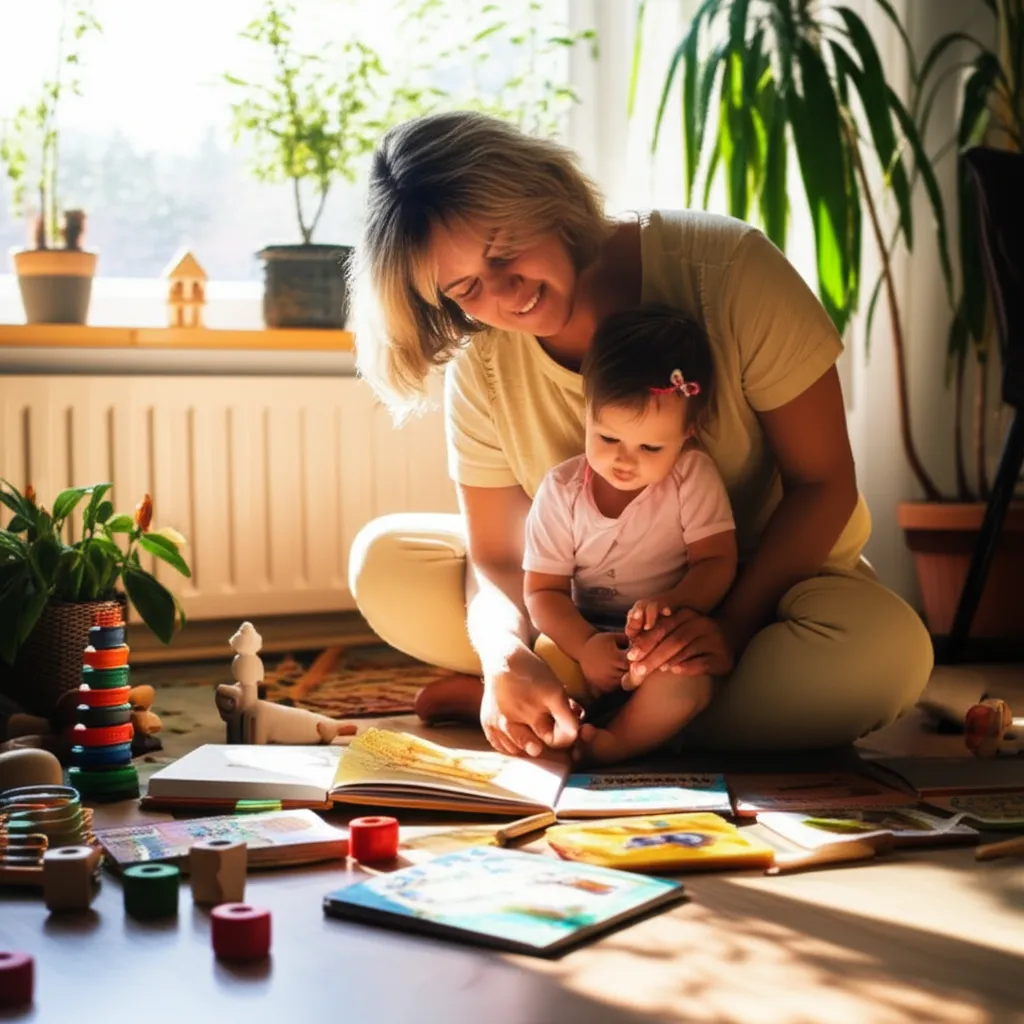
Screen-free activities deliberately use non-digital methods to achieve learning goals, fostering sustained attention, creativity, and hands-on engagement that screens cannot replicate. In a world where children's default mode is increasingly digital, intentional screen-free learning builds the ability to focus, entertain oneself, and engage deeply with physical materials and human interaction. These activities develop the attention muscles that make all other learning more effective.
Screen-free learning is not anti-technology — it is pro-attention. The developing brain requires sustained, focused engagement with physical reality to build the neural pathways that support concentration, creativity, and deep learning. Screens, by design, fragment attention through rapid visual changes, notification interruptions, and the infinite scroll of new content. A child who spends hours on screens develops expectations of constant novelty and stimulation that make the slower, deeper engagement required by reading, math, writing, and hands-on learning feel unbearably boring. Screen-free activities deliberately counteract this pattern by requiring sustained attention without digital stimulation. A child building with blocks, reading a physical book, drawing from observation, playing a board game, or practicing a musical instrument is exercising the attention muscles that make all other learning possible. These activities also develop an internal creative capacity that screen consumption undermines: the ability to generate ideas, entertain oneself, and engage with boredom productively rather than reaching for a device. Families who protect significant daily screen-free time consistently report that their children read more, play more creatively, argue less, and demonstrate longer attention spans during academic work.
Skills Developed
What You Need
Books, art supplies, building materials, board games, musical instruments, craft materials, science equipment, nature materials, writing tools. Any non-digital learning resource.
Where It Works
How to Do This Well
Age Adaptations
Tips for Parents
Frequently Asked Questions
What age is best for screen-free activities?
All ages benefit from screen-free time, but the need is most critical in the first five years when brain architecture is being established. The American Academy of Pediatrics recommends zero screen time before eighteen months and very limited, co-viewed time from eighteen months to five years. Throughout childhood and adolescence, significant daily screen-free blocks support the development of attention, creativity, and social skills. Adults benefit from screen-free time as well. Rather than asking 'when should I introduce screen-free activities,' ask 'how can I protect generous screen-free time at every age?' — the answer is that it matters throughout the lifespan.
How do I set up screen-free activities at home?
Create an environment where non-screen activities are visible, accessible, and inviting. Keep books on low shelves, art supplies in open containers, building materials in easy reach, and board games where children can see them. Designate a reading nook with comfortable seating and good light. Set up a craft table that stays available for ongoing projects. Stock a nature exploration kit by the door (magnifying glass, journal, field guide). The physical environment shapes behavior — when screens are the most visible and accessible option, children choose screens. When books, art supplies, and games are equally visible and accessible, children choose variety.
What do kids learn from screen-free activities?
Screen-free activities primarily develop sustained attention, self-directed creativity, and deep focus — the foundational cognitive capacities that make all other learning effective. Without the constant stimulation of screens, children must generate their own ideas, solve problems with available materials, entertain themselves, and persist through boredom into the creative engagement that lies on the other side. They also develop stronger social skills through face-to-face interaction, better fine motor skills through physical manipulation of materials, and healthier sleep patterns (screen light disrupts melatonin production). Children who spend significant time in screen-free activities consistently demonstrate longer attention spans during academic work.
How long should screen-free activities last?
Aim for the majority of your child's waking hours to be screen-free. A reasonable daily structure might include three to four hours of screen-free morning learning time, one to two hours of outdoor play, and one to two hours of evening family time without screens, with screen time limited to one to two hours for educational purposes. The specific duration matters less than the consistency and the quality of the screen-free environment. A child with four rich screen-free hours (reading, creating, playing, exploring) develops differently than one with the same four hours spent in empty boredom with nothing to do.
What if my child doesn't like screen-free activities?
A child who 'doesn't like' screen-free activities has usually developed a dependency on screen stimulation that makes slower, deeper activities feel boring by comparison. This is a neurological adaptation, not a fixed preference, and it reverses with consistent screen-free practice over two to four weeks. During the transition, provide highly engaging screen-free options (building projects, art supplies, outdoor adventures, board games) and tolerate the boredom complaints without caving. Boredom is not harmful — it is the discomfort that precedes creativity. Once the brain recalibrates to non-screen stimulation levels, children rediscover their capacity for self-directed play, reading, and creative engagement.
Do I need special materials for screen-free activities?
The materials for screen-free learning are the materials of childhood: books, paper, pencils, paint, blocks, dolls, balls, musical instruments, board games, craft supplies, and natural objects. No special 'screen-free' products are needed. The most important investment is not in materials but in the physical environment: creating spaces where non-screen activities are visible, accessible, and inviting, and establishing daily rhythms where screen-free time is the default rather than the exception. A well-stocked library card, a set of art supplies, a few board games, and regular outdoor time provide everything a child needs for a rich screen-free learning life.